Are exterior French drains effective?
Yes, an exterior French drain works well when the problem is water moving through the soil and there is a lower place to send it, but it does little for roof runoff or a yard with no fall.
A French drain is one of the most useful drainage fixes, and also one of the most often installed where it can't do much. Whether it will work in your yard depends on where the water comes from, what your soil is like and where the pipe can empty. Here is how we judge it on properties around Roseville.
The plain answer
An exterior French drain is a trench lined with filter fabric and filled with gravel, with a perforated pipe at the bottom laid on a steady slope. Water in the soil moves through gravel much more easily than through the ground around it. It drops into the pipe and runs to an outlet somewhere lower on the property. When the conditions are right, the drain keeps a soggy lawn, a wet side yard or the soil along a foundation much drier through the rainy months.
The drain has limits. It doesn't create slope, and it can't push water uphill. It also doesn't fix water pouring off a roof or sheeting across a patio. All it does is collect water that is already in the soil and carry it somewhere else. If your problem matches that, it is very effective. If it doesn't, you will have paid for a gravel trench that sits there while the puddle stays put.
What changes the answer on a real property
Four things decide whether a French drain will work: the soil, the outlet, the source of the water and the slope of the lot.
Soil comes first. Many yards in Roseville and the surrounding area sit on dense clay, sometimes with a hard layer not far below the surface. Clay takes in water slowly, so after a heavy storm much of the water sits on top or runs across the yard instead of soaking in. A French drain in clay still helps, but the trench has to reach the layer where water collects, and the surface water may need a separate fix such as regrading the soil.
Next is the outlet. The pipe has to empty somewhere lower than where it starts: a lower part of the yard, a curb outlet where the city allows one, or a dry well. Many newer subdivisions here were built on flat, carefully graded lots with little fall toward the street. A lack of fall to an outlet is the most common reason a drain underperforms.
Then look at where the water comes from. If a downspout empties onto the soil a foot from the house, the wet ground next to it is a roof problem, not a groundwater problem. Fix that first and the wet spot may go away on its own.
Finally, think about how the rain arrives. Our winters tend to bring rain in bursts, with a few heavy days and then dry spells. A drain here has to cope with a lot of water over a short stretch, which affects pipe size, trench depth and how big the outlet needs to be.
What you can check yourself
You can learn a lot from one good storm. Walk the property during the rain and again the next day. Note where water stands and how long it stays. Water that collects at the lowest point of the yard behaves differently from water that seeps in along a fence line from the lot next door.
Follow every downspout to where it ends. If it empties onto a splash block right against the foundation, that is a likely source.
Look at the soil right next to the house. It should slope away from the walls for several feet. Planting beds often get built up over the years until the soil runs back toward the foundation, and water follows.
A day after rain, dig a small hole a spade deep in the wet area. If water slowly seeps in from the sides, you have water moving through the soil, and that is what a French drain handles. If the hole stays fairly dry while the surface stays wet, the problem is surface water and grading.
If you already have a French drain, find its outlet and check it after a storm. A dry outlet next to a wet yard usually means the pipe is clogged, crushed or silted up, or the fabric has blocked with fine soil. Sunken spots along the trench line point to the same thing.
When it needs a professional
Some situations are worth a proper look before anyone starts digging. Call someone if water reaches the foundation, a crawlspace or the garage slab. Call if the drain would have to run close to the footing or near buried gas, water or irrigation lines. The same applies when there is no obvious low point for an outlet, or when an existing drain has stopped working and you can't tell why. Whoever digs should call 811 to have utilities marked first.
When we visit a property in Roseville, we walk the whole yard, ideally soon after rain, and check the fall of the ground with a level. We trace the downspouts and work out where an outlet could go. Then we tell you plainly whether a French drain is the right tool. Sometimes the honest answer is that a downspout extension and some soil work will fix the problem for less disruption.
How it fits with other drainage work
French Drain Installation is one tool among several, and it works best when the other sources of water are handled too. The most common pairing is with Downspout Drainage. Roof water should go to the outlet through its own solid pipe, not into the perforated French drain pipe. Feeding a heavy rush of roof water into a French drain can overload it and push water back out through the perforations into the soil you are trying to dry.
On many lots, the full fix is a mix: solid pipe for the roof water, a French drain for the water moving through the soil, and soil reshaped so surface water runs away from the house. Done in that order, each piece does its own job and none of them is asked to do more than it can.
Related questions
It depends on where the water sits in the soil. For a soggy lawn or side yard, a trench around 18 to 24 inches deep is common, while a drain meant to protect a foundation may need to go deeper. The trench also has to keep a steady fall from start to outlet, which can set the depth more than anything else.
It is better not to. Roof water arrives fast and in volume, and sending it into a perforated pipe can overload the drain and push water back into the soil. Run downspouts through solid pipe to their own outlet or to a shared outlet past the end of the French drain.
It can, but clay changes how it works. Water moves slowly through clay, so the drain collects less from the soil around it and more from water that collects at a firmer layer below. In clay yards, a French drain is often paired with regrading so surface water is handled separately.
Check the outlet during or just after a storm. If the outlet stays dry while the ground over the drain is wet, the pipe or fabric is likely clogged, or the pipe has been crushed or lost its slope. Sunken spots along the trench line are another sign.
Services
How we can help in Roseville
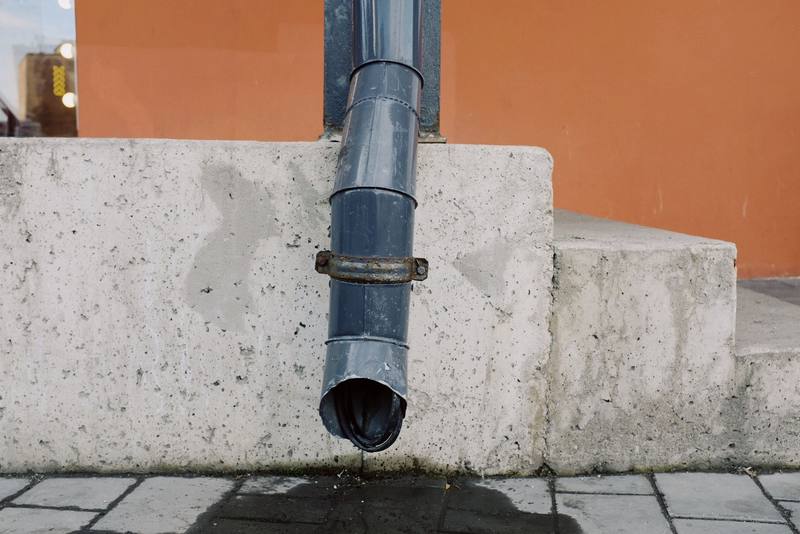
French Drain Installation
Perforated pipe in a gravel trench, wrapped in fabric, graded to carry groundwater away from the house.
Learn more
Yard Drainage
Standing water in lawns and beds solved with catch basins, surface drains and regrading.
Learn more
Drainage Repair
Clogged, crushed or silted drains located, flushed, repaired or replaced.
Learn more
Sump Pump Installation
Pits, pumps and discharge lines for basements and crawl spaces that take on water.
Learn more
Downspout Drainage
Downspouts piped underground to daylight or a dry well so roof water stops pooling at the foundation.
Learn more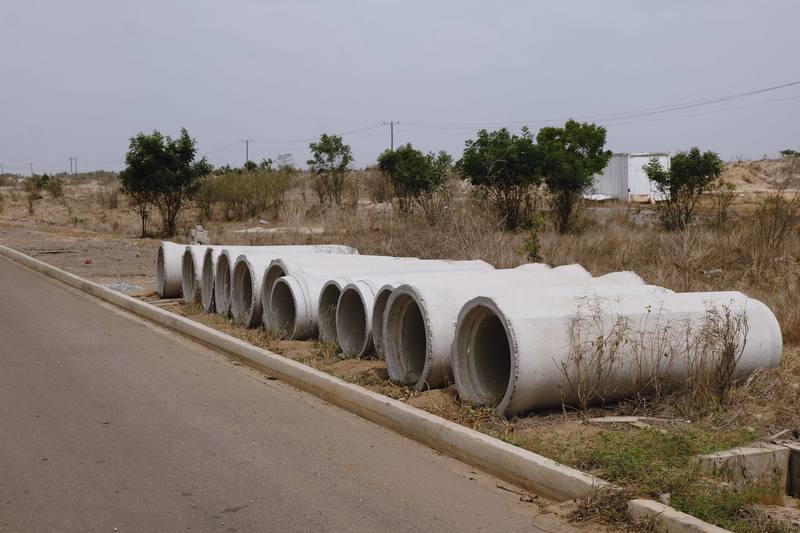
Dry Well Installation
Buried chambers that store and soak away roof and surface water where there is nowhere to drain to.
Learn more
Grading and Regrading
Soil reshaped so water runs away from the house and off the lawn instead of sitting.
Learn more
Channel Drains
Trench drains across driveways, patios and garage aprons to intercept sheet flow.
Learn more
Emergency Flooded Yard Drainage
When a storm leaves water pooling in your yard or against the house, we help get it moving and find out why it happened.
Learn more
Get started
Tell us where the water goes
Call (916) 010-0004 or send a message with a few photos of the wet area. We are open Monday to Friday 7 AM to 7 PM and Saturday 8 AM to 5 PM.