Drainage in Loomis, CA
French drains, grading, dry wells and other drainage work for homes and rural lots in Loomis.
We help Loomis homeowners with standing water, soggy lawns and runoff that runs toward the house. Clay soil, sloped lots and heavy winter storms make drainage a common problem here. Before we suggest any work, we find out where the water comes from and where it can safely go.
Why water collects on Loomis properties
Loomis sits in the Placer County foothills, and the ground here makes drainage harder than it looks. Much of the soil is heavy clay. It takes in water slowly and holds on to it once it is wet. In some spots granite sits close to the surface, so water that soaks in has nowhere to go and moves sideways instead. Rain here tends to arrive in a handful of strong winter storms, not a steady drizzle. A yard that is hard and dusty in August can have standing water in January.
Slope matters too. A lot of Loomis homes sit on rolling land. Water from higher ground, a long gravel driveway or the pasture next door often ends up against a foundation, a barn wall or a detached shop. On larger rural lots the runoff can travel a long way before it reaches anything important. That is useful, because there is usually room to catch it and send it somewhere harmless.
The homes are a mix. There are older ranch homes on acreage, many with crawl spaces, and newer homes in subdivisions with narrow side yards and builder grading. On older homes, the gutters often drain straight onto the ground or into buried pipe that has cracked over the years. On newer homes, the side yard swale often stopped working after someone added a fence, a planter bed or a patio.
Signs worth checking before the rains
The easiest way to understand your drainage is to walk the property with a flashlight during a real storm. Look for water pooling within a few feet of the foundation, downspouts spilling onto the ground beside the house, and gutters overflowing at the corners. After the storm, note any puddles that are still there a day or two later.
Other signs show up later. A white, chalky crust on a stem wall or garage slab means water has been wicking through the concrete. A musty smell or damp soil in a crawl space usually means water is collecting outside and getting under the house. Other clues include mulch and soil washed onto a walkway, patio cracks that keep getting wider, and a lawn that stays spongy near the house.
The usual causes are simple. The ground slopes toward the house instead of away from it, a buried downspout line is crushed or full of roots, or an older French drain was built without filter fabric and has filled with silt. The cause decides the fix.
Drainage services available in Loomis
We offer the same nine services in Loomis that we offer everywhere we work. French Drain Installation means a gravel trench with perforated pipe that collects water underground and carries it away. It is useful where water moves through the soil toward a foundation or across a low spot. Yard Drainage deals with the wider problem of a soggy lawn or a low area that holds water, often with a mix of surface inlets and pipe. Drainage Repair is for existing systems that have stopped working, such as a clogged drain line or a French drain that has silted up.
Sump Pump Installation helps where water collects in a crawl space or a low area that cannot drain by gravity. Downspout Drainage connects gutters to buried pipe so roof water goes away from the house instead of landing beside it. Dry Well Installation gives water a place to soak into the ground when there is no curb, ditch or slope to send it to. That comes up often on the flat parts of rural lots. Grading and Regrading reshapes the soil so the ground falls away from the house. Channel Drains are slotted drains set into concrete across driveways, garage aprons and patios. Emergency Flooded Yard Drainage is for a yard that is flooding right now. We handle these calls during our regular business hours.
Should you repair or replace? A drain line that is clogged but still intact can often be cleared, or have one short section replaced. A French drain built without fabric that has filled with silt usually needs to be rebuilt, because cleaning it only buys a season or two. If the grade is wrong, pipe alone will not fully fix the problem, so we often correct the grade first.
What a visit looks like
A visit starts with a walk around the property with you. We ask where you see water, when it shows up and how long it stays. You have watched it through more storms than we have. Photos or video from past storms help a lot.
Next we look at where the roof water goes, how the ground falls around the house, where the low spots are and where the water could be sent. On rural Loomis lots we ask about septic tanks, leach fields, irrigation lines and wells before we suggest any trench, because none of those should be disturbed. Then we explain in plain terms what we think is causing the problem and what we would do about it. If a smaller fix, like extending a downspout, is likely to be enough, we tell you that.
How to book
To book a visit in Loomis, call us at (916) 010-0004 or email info@frenchdrainroseville.com. We are open Monday to Friday from 7:00 AM to 7:00 PM and Saturday from 8:00 AM to 5:00 PM. We are closed on Sunday and do not offer after-hours service. When you get in touch, tell us your street, what you are seeing and roughly how long it has been going on.
The dry months are the easiest time to do drainage work here. The ground is not saturated, and the system will be in place before the first storms. If you can, call before the rain starts.
About Loomis: Loomis, CA on Wikipedia · Loomis on Google Maps
Services
Services in Loomis, CA
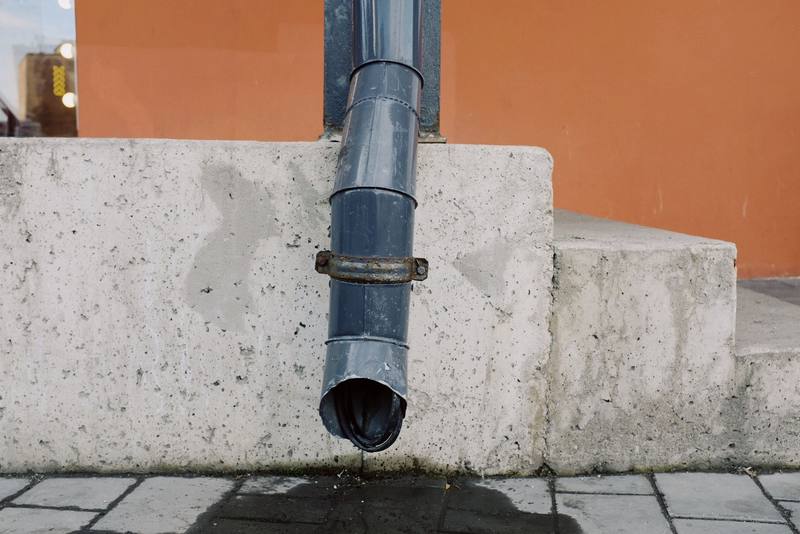
French Drain Installation
Perforated pipe in a gravel trench, wrapped in fabric, graded to carry groundwater away from the house.
Learn more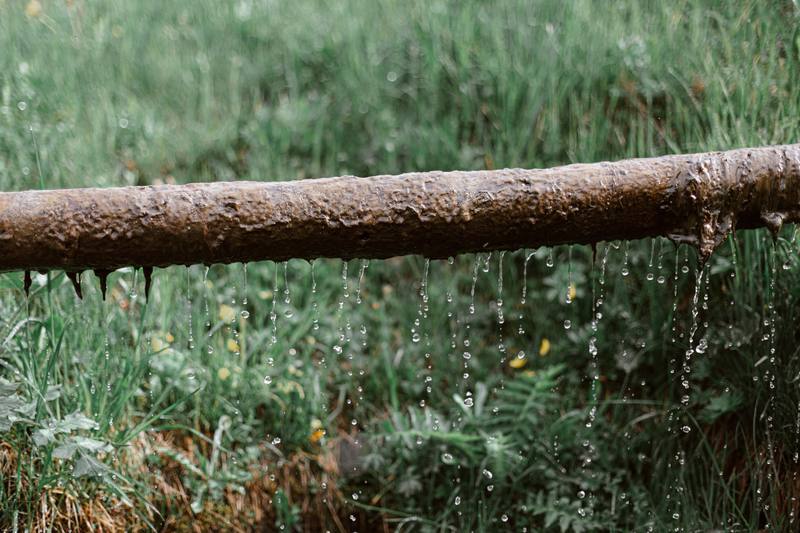
Yard Drainage
Standing water in lawns and beds solved with catch basins, surface drains and regrading.
Learn more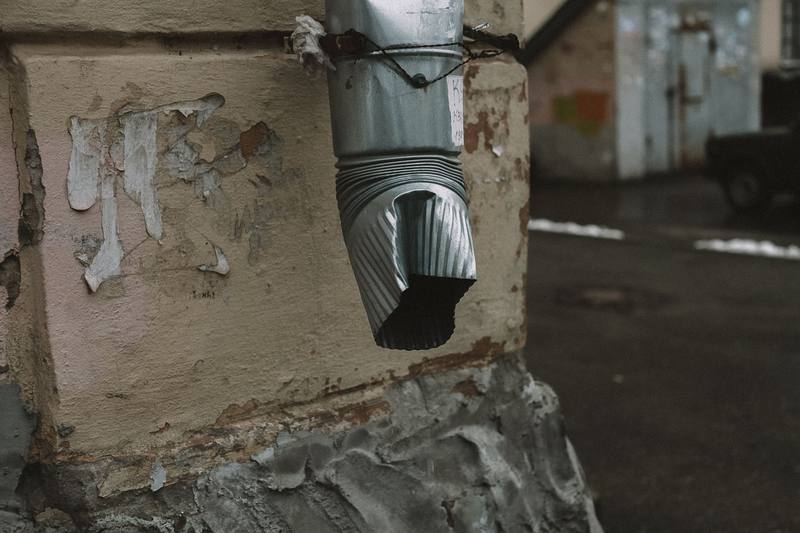
Drainage Repair
Clogged, crushed or silted drains located, flushed, repaired or replaced.
Learn more
Sump Pump Installation
Pits, pumps and discharge lines for basements and crawl spaces that take on water.
Learn more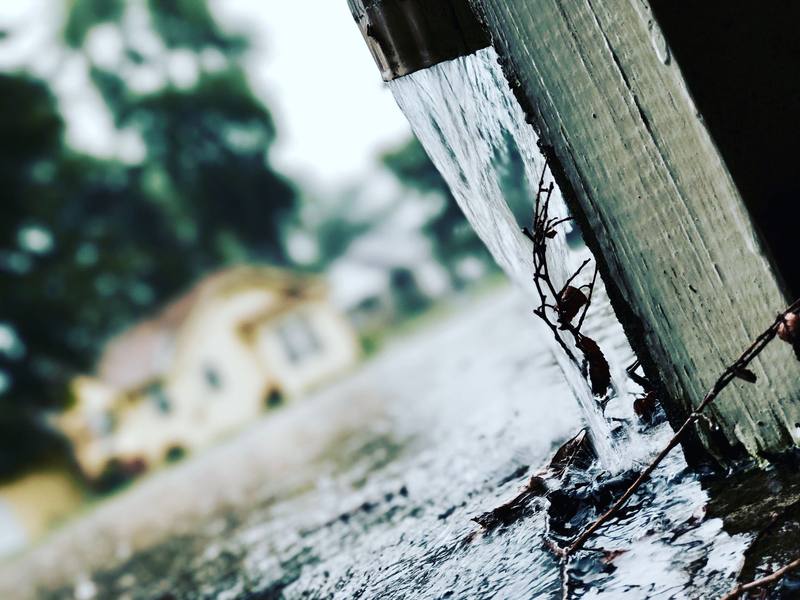
Downspout Drainage
Downspouts piped underground to daylight or a dry well so roof water stops pooling at the foundation.
Learn more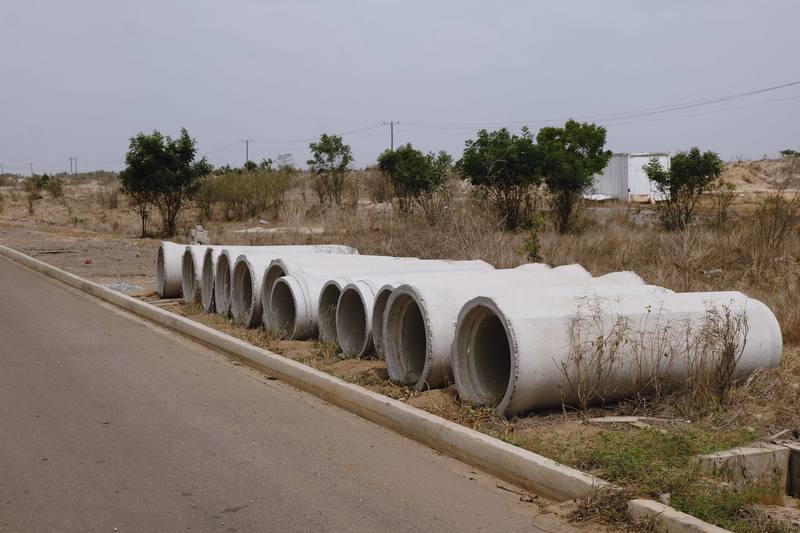
Dry Well Installation
Buried chambers that store and soak away roof and surface water where there is nowhere to drain to.
Learn more
Grading and Regrading
Soil reshaped so water runs away from the house and off the lawn instead of sitting.
Learn more
Channel Drains
Trench drains across driveways, patios and garage aprons to intercept sheet flow.
Learn more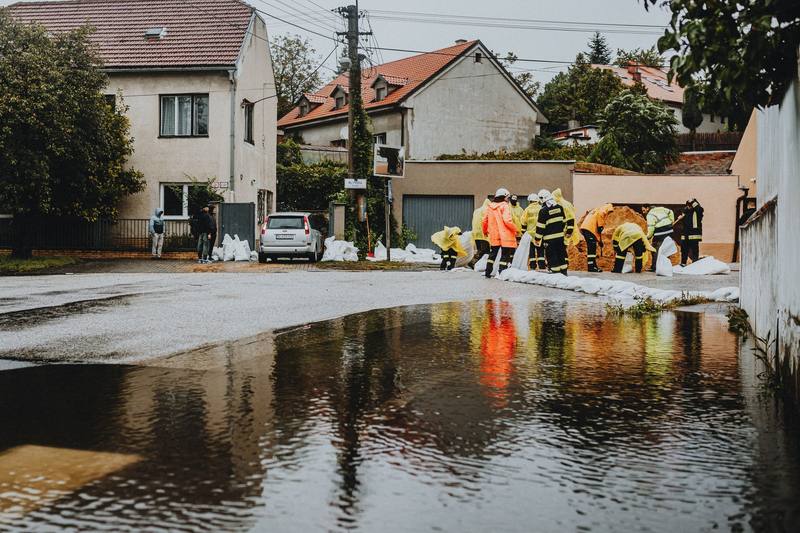
Emergency Flooded Yard Drainage
When a storm leaves water pooling in your yard or against the house, we help get it moving and find out why it happened.
Learn more
Get started
Tell us where the water goes
Call (916) 010-0004 or send a message with a few photos of the wet area. We are open Monday to Friday 7 AM to 7 PM and Saturday 8 AM to 5 PM.