Drainage in Citrus Heights, CA
We find where the water on your Citrus Heights property is going wrong and fix it with drains, grading and pumps sized for your lot.
Most drainage trouble in Citrus Heights shows up during the first heavy winter storm: water standing against the foundation, a soggy side yard that won't dry out, or a crawlspace that smells damp in January. We come out, watch where the water goes, and explain what will fix it before any digging starts. Our base is in nearby Roseville.
Why water collects on Citrus Heights lots
Much of Citrus Heights was built out as single-family neighbourhoods: ranch homes, split-levels and two-storey tract houses on fairly flat lots, many of them several decades old. Flat lots are easy to live on, but water has nowhere obvious to go. When the original grading settles over the years, or a patio, planter bed or new fence goes in, the slope that once carried water away from the house can quietly flatten or tip back toward it.
The soil matters too. A lot of the ground around here holds clay, which soaks up water slowly and then stays wet. In summer it dries hard and can crack. In winter it fills and sheds water across the surface instead of letting it soak in. That's why a yard can be dusty in August and turn into a pond after one wet week in December.
Winters here bring stretches of heavy rain between long dry spells, so problems tend to show up all at once rather than slowly. Mature trees add to it. Roots lift walkways and crush old drain pipe, and leaves fill gutters and downspout lines every autumn.
What to look for around your home
Walk the outside of the house during or just after a good rain. That is when the evidence is easiest to read. Look for water pooling within a few feet of the foundation, soil washed out below downspouts, or a line of mud splashed up the siding. Check whether the downspouts empty straight onto the ground next to the house or into a pipe that disappears underground. If they feed a buried pipe, see whether water backs up out of the top during a storm. That usually means the pipe is cracked, crushed or full of roots and silt.
Inside, look for damp patches on garage slab edges, musty smells or standing water in a crawlspace, and efflorescence, the white powdery residue left on concrete when water moves through it. Lawns that stay spongy for days, moss along a north-facing side yard, and fence posts rotting at the base all point the same way.
None of these signs mean you need a large project. A lot of the time the fix is small, like extending a downspout or regrading a short strip of soil. The point of looking first is to match the repair to the actual problem.
Services we offer in Citrus Heights
We offer French Drain Installation for side yards and foundation edges where water collects and needs a buried, gravel-wrapped pipe to carry it off. Yard Drainage covers the broader work of moving surface water across a lot, often with a mix of shallow swales, inlets and pipe. Drainage Repair is for existing systems that have stopped working, which is common with older pipe that has been crushed by roots or filled with silt.
Sump Pump Installation suits crawlspaces and low spots where gravity alone can't move the water out. Downspout Drainage takes roof water, which is often the single largest source of water near a house, and carries it well away from the foundation. Dry Well Installation gives that water a place to go when there's no curb or lower ground to drain to, though on heavy clay we will tell you honestly whether a dry well will empty fast enough to be worth it.
Grading and Regrading reshapes the soil so the ground falls away from the house again. Channel Drains are for driveways, patios and garage aprons where water sheets across concrete. Emergency Flooded Yard Drainage is for a yard that is actively holding water after a storm. We handle those calls during our regular business hours and do not offer after-hours service.
Repair or replace: how we decide
If an existing drain line is only clogged, we clean it and test it with water before suggesting anything else. If a short section is crushed or broken, we dig it up and replace that section. Full replacement makes sense when the pipe is the old perforated or thin-wall kind that has failed in several places, when it was laid without enough fall to move water, or when it never had a proper outlet.
The same thinking applies to grading. Sometimes a few wheelbarrows of soil and a properly sloped bed fix the problem. Other times the whole side yard sits lower than the slab and needs a drain as well. We would rather do the smaller job if it will work, and we will say so when it won't.
What a visit looks like
A visit starts with a walk around the property with you. We look at the roofline and gutters, follow each downspout to wherever it ends, check the slope of the soil along the foundation, and look at any existing drains, inlets or pumps. If there is a crawlspace, we look inside it when it's safe to do so. Where it helps, we run water from a hose into a downspout or drain to see where it actually goes.
After that we explain what we found in plain terms: where the water is coming from, why it's collecting, and what we would do about it. If more than one approach would work, we lay out the options side by side so you can choose. Before any work begins, you know where we will dig, how the finished drain will look, and what happens to the lawn, beds or concrete along the way.
How to book a visit
Call us at (916) 010-0004 or email info@frenchdrainroseville.com and tell us briefly what you're seeing, and a photo or two of the problem area helps. We are open Monday to Friday, 7:00 AM to 7:00 PM, and Saturday, 8:00 AM to 5:00 PM. We are closed Sunday.
If you can, book before the wet season sets in. Drainage work is easier to plan and finish when the ground isn't saturated, and it's better to have the fix in place before the first big storm. When water is already standing in your yard, call anyway, and we will get to you as soon as our hours allow. Use the Request a Drainage Visit button on this page to get started.
About Citrus Heights: Citrus Heights, CA on Wikipedia · Citrus Heights on Google Maps
Services
Services in Citrus Heights, CA
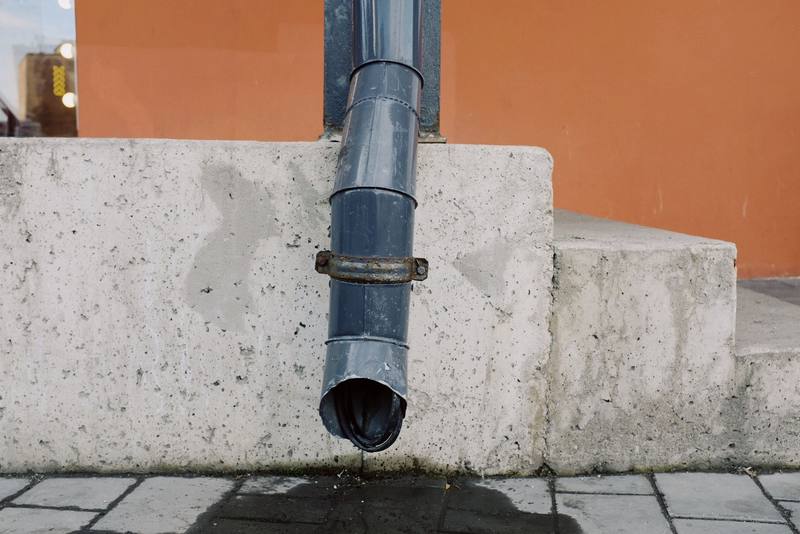
French Drain Installation
Perforated pipe in a gravel trench, wrapped in fabric, graded to carry groundwater away from the house.
Learn more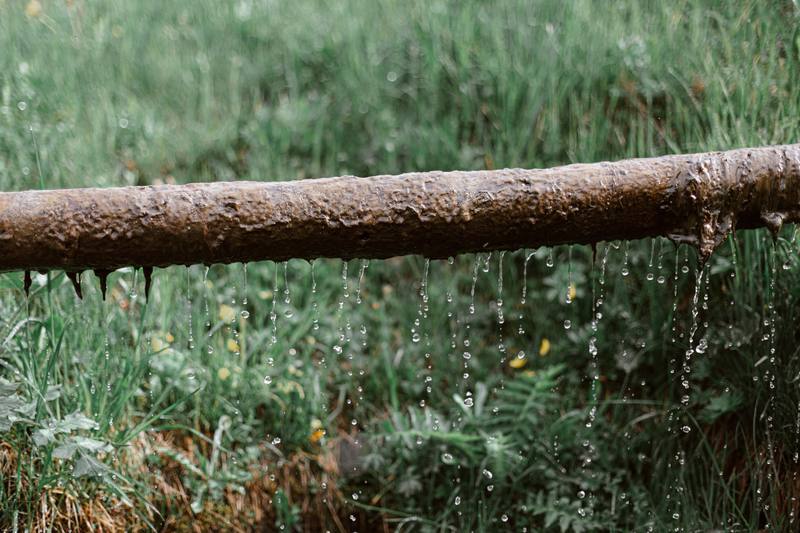
Yard Drainage
Standing water in lawns and beds solved with catch basins, surface drains and regrading.
Learn more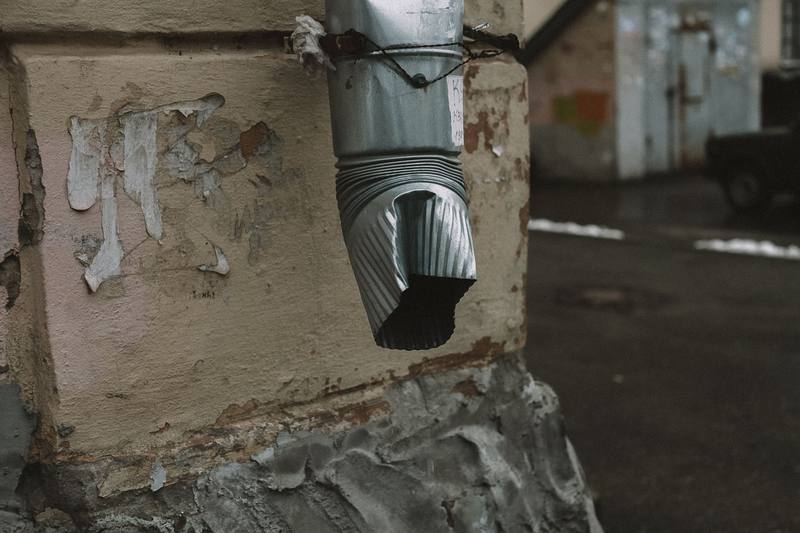
Drainage Repair
Clogged, crushed or silted drains located, flushed, repaired or replaced.
Learn more
Sump Pump Installation
Pits, pumps and discharge lines for basements and crawl spaces that take on water.
Learn more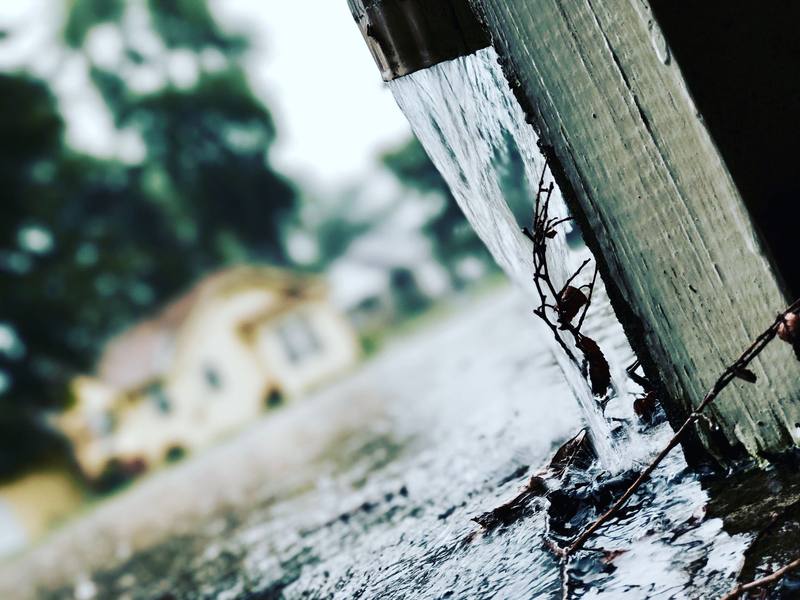
Downspout Drainage
Downspouts piped underground to daylight or a dry well so roof water stops pooling at the foundation.
Learn more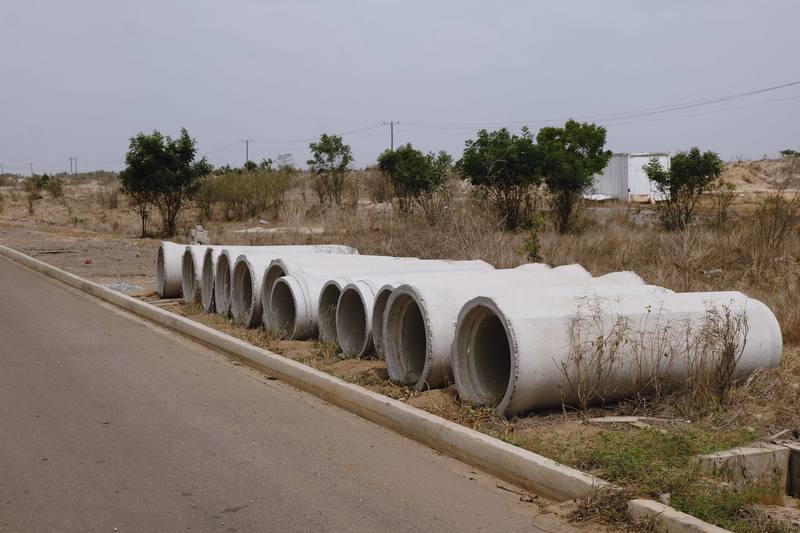
Dry Well Installation
Buried chambers that store and soak away roof and surface water where there is nowhere to drain to.
Learn more
Grading and Regrading
Soil reshaped so water runs away from the house and off the lawn instead of sitting.
Learn more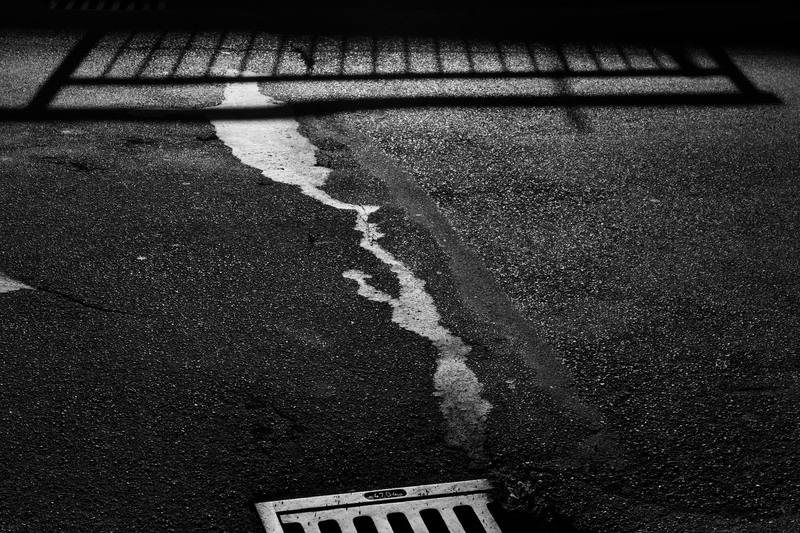
Channel Drains
Trench drains across driveways, patios and garage aprons to intercept sheet flow.
Learn more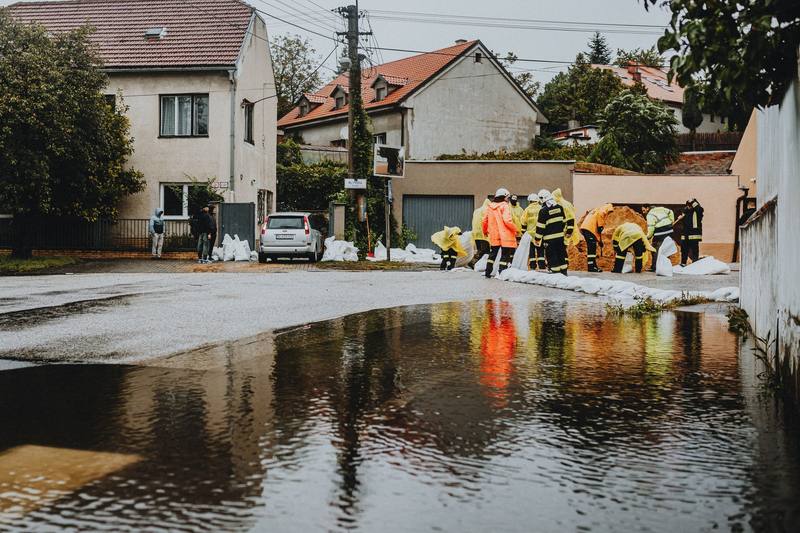
Emergency Flooded Yard Drainage
When a storm leaves water pooling in your yard or against the house, we help get it moving and find out why it happened.
Learn more
Get started
Tell us where the water goes
Call (916) 010-0004 or send a message with a few photos of the wet area. We are open Monday to Friday 7 AM to 7 PM and Saturday 8 AM to 5 PM.