Drainage in Lincoln, CA
French drains, yard drainage, sump pumps and grading for homes in Lincoln, CA.
We handle drainage work for homeowners in Lincoln, from soggy side yards to water that pools against the foundation after a storm. We come out, find where the water is coming from and where it wants to go, then explain the fix in plain terms before any work starts.
Lincoln homes, soil and weather
Lincoln has grown quickly. Much of its housing is fairly new: tract homes on compact lots, active-adult neighborhoods, and larger custom homes toward the edges of town. Newer does not always mean drier. When a subdivision goes in, the ground is cut, filled and compacted, and the yard grades the builder sets can settle over the first several years. A side yard that drained toward the street when the house was new may now send water back toward the foundation.
Soil is the other half of the story. Much of western Placer County sits on clay and dense subsoil that takes in water slowly. In summer that hardly matters. In winter, when storms arrive one after another, the ground fills up and stays full. Water that cannot soak in runs across the surface, collects in low spots and heads for the lowest point it can find, which is often a patio, a crawl space vent or the edge of a garage slab.
The long, hot summers add their own problem. Clay shrinks as it dries and swells when it gets wet again. That movement can open gaps along a foundation, shift buried pipe joints and tilt pavers, so a drainage system that worked fine a few years ago may not be working now.
Problems we often see in Lincoln yards
The most common call is standing water that lingers for days after rain. Usually it sits in the same spot each time: a corner of the lawn, the strip between the house and the fence, or the low edge of a patio. That pattern tells us a lot. Water that always collects in one place is following the grade, and the fix is usually about giving it a better path.
Downspouts are the next suspect. On many homes they empty onto a splash block a foot from the wall, or into a buried pipe that has cracked, filled with roots or come apart at a joint. A single roof section can shed a surprising amount of water in a heavy storm, and if it ends up against the foundation it will find the crawl space.
Narrow side yards between neighboring houses are a frequent trouble spot in newer developments. Fences, AC pads and planting beds block the surface flow the builder planned for. Back slopes can erode, and irrigation that runs too long can keep clay soil wet even between storms.
Drainage services available in Lincoln
French Drain Installation moves water away from wet areas through a gravel trench and perforated pipe, and it suits yards where water sits just below the surface. Yard Drainage covers the broader work of collecting and routing surface water across a property. Drainage Repair is for systems that already exist but have stopped doing their job, such as crushed pipe, clogged inlets or failed outlets.
Sump Pump Installation helps where a crawl space or low area collects water and there is no downhill route for it to drain by gravity. Downspout Drainage connects gutters to buried pipe that carries roof water away from the house. Dry Well Installation gives water somewhere to go underground when there is no street, swale or slope to send it to, though in tight clay we check whether the soil will take it before recommending one. Grading and Regrading reshapes the soil so the ground falls away from the house. Channel Drains catch water running across driveways, patios and garage aprons. Emergency Flooded Yard Drainage is for yards that are actively under water, and we handle it during our regular business hours.
Repair or replace
Not every wet yard needs a new system. If you already have drains, we start by finding out why they stopped working. A clogged pop-up emitter or a pipe pulled apart at a fitting is a small repair. If the pipe has been crushed in several places, laid without enough fall, or wrapped in fabric that has silted shut, patching it rarely lasts and replacing the run is usually the better use of your money.
The same goes for grading. Sometimes a few wheelbarrows of soil against the foundation fixes the problem. Other times the whole side yard is pitched the wrong way and needs regrading before any drain will keep up. We will tell you which one we think you have, and why.
What a visit looks like
A drainage visit in Lincoln starts with a walk around the house. We look at the gutters and downspouts, where the roof water lands, the slope of the ground on each side, the condition of any existing drains and outlets, and signs of past water such as silt lines, stained stucco or damp crawl space vents. If it rained recently, photos of where the water stood are very helpful, so take them if you can.
Where there is existing buried pipe, we may run water through it to see where it goes and whether it comes out the other end. Then we explain what we found, what we would do, and what we would leave alone. You get a written description of the proposed work before anything is dug, and you decide whether and when to go ahead.
How to book
Call us at (916) 010-0004 or email info@frenchdrainroseville.com, or use the Request a Drainage Visit button on this page. We are open Monday to Friday from 7:00 AM to 7:00 PM and Saturday from 8:00 AM to 5:00 PM. We are closed Sunday and do not offer after-hours service. When you get in touch, tell us your street or neighborhood in Lincoln, where the water collects and roughly how long it has been happening. That helps us plan the visit and bring the right tools.
About Lincoln: Lincoln, CA on Wikipedia · Lincoln on Google Maps
Services
Services in Lincoln, CA
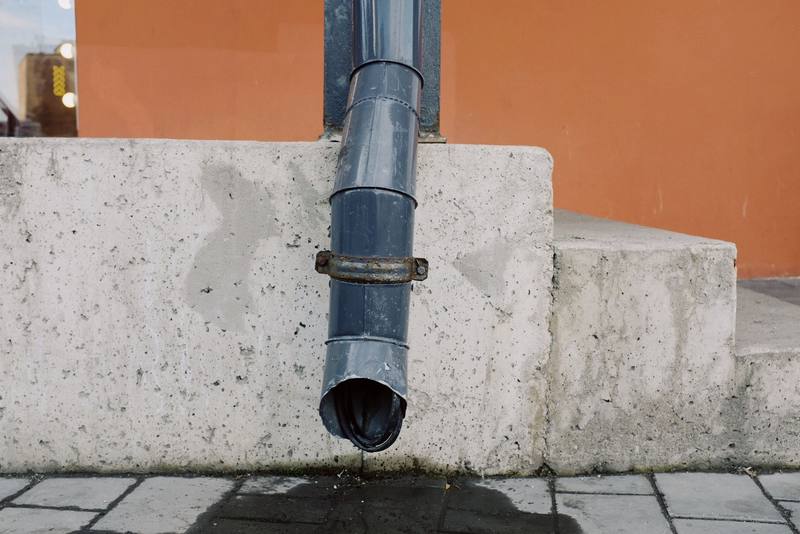
French Drain Installation
Perforated pipe in a gravel trench, wrapped in fabric, graded to carry groundwater away from the house.
Learn more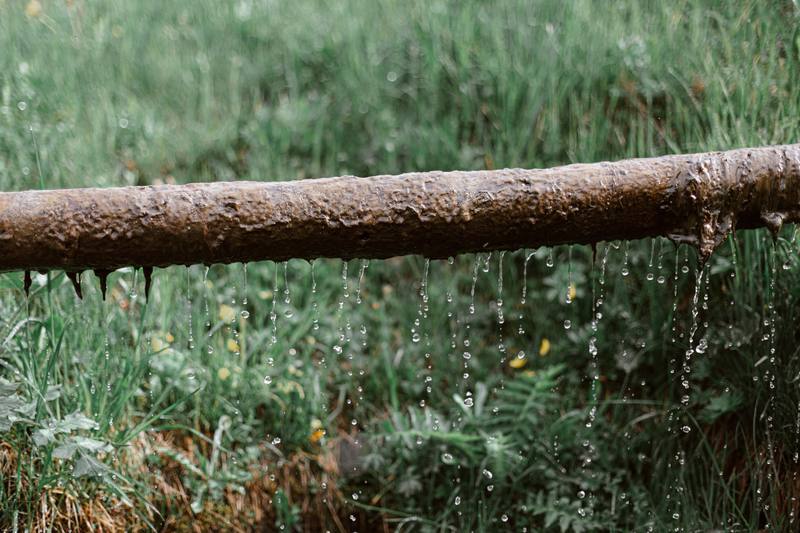
Yard Drainage
Standing water in lawns and beds solved with catch basins, surface drains and regrading.
Learn more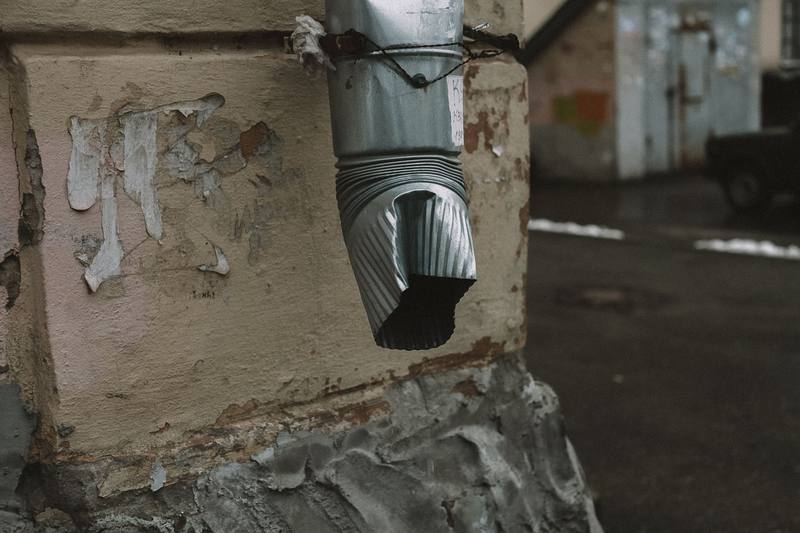
Drainage Repair
Clogged, crushed or silted drains located, flushed, repaired or replaced.
Learn more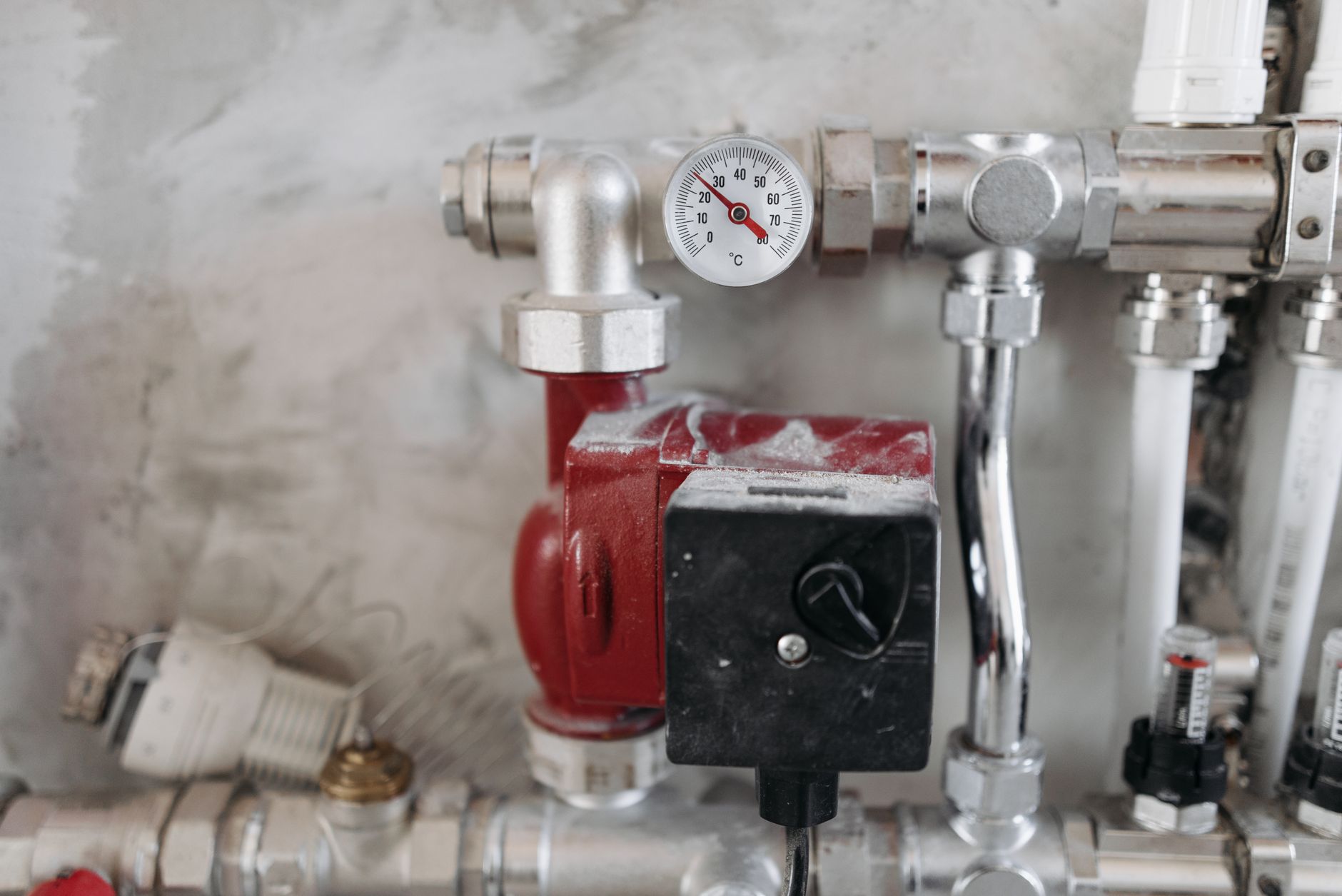
Sump Pump Installation
Pits, pumps and discharge lines for basements and crawl spaces that take on water.
Learn more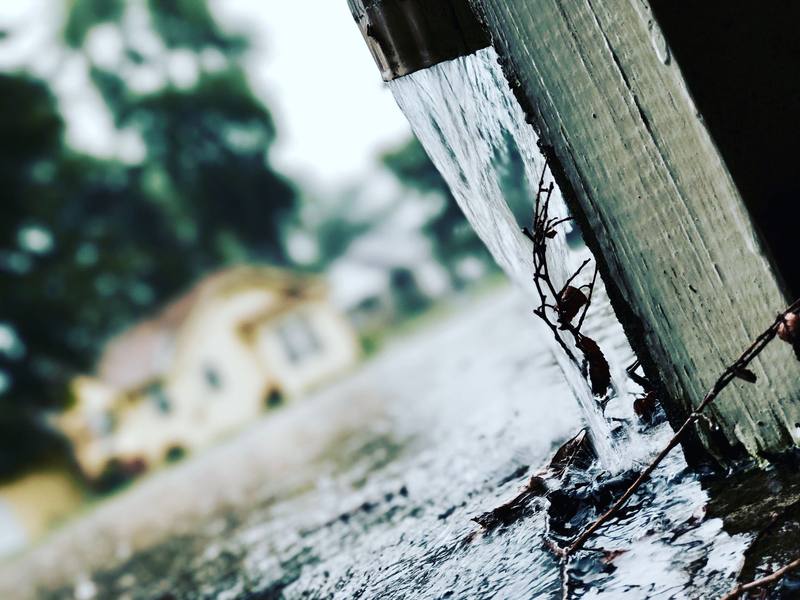
Downspout Drainage
Downspouts piped underground to daylight or a dry well so roof water stops pooling at the foundation.
Learn more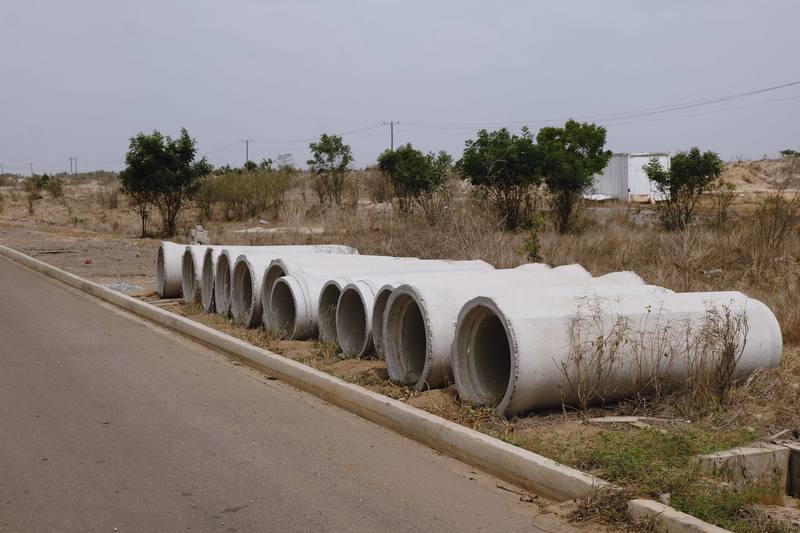
Dry Well Installation
Buried chambers that store and soak away roof and surface water where there is nowhere to drain to.
Learn more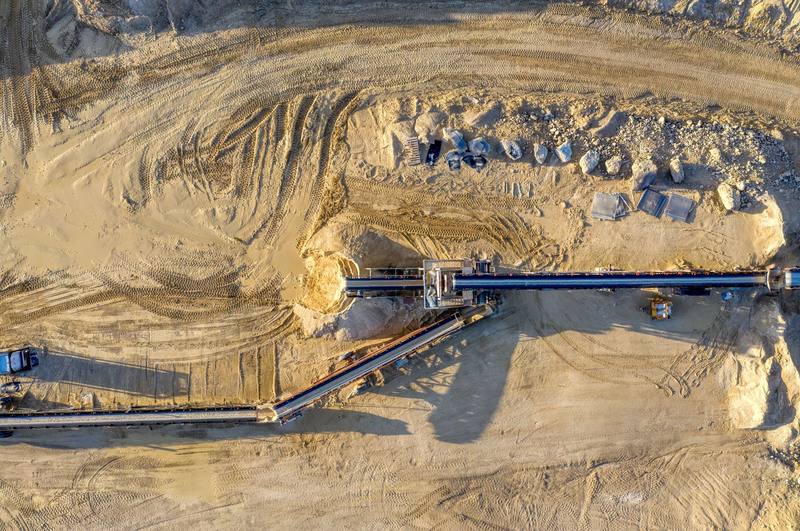
Grading and Regrading
Soil reshaped so water runs away from the house and off the lawn instead of sitting.
Learn more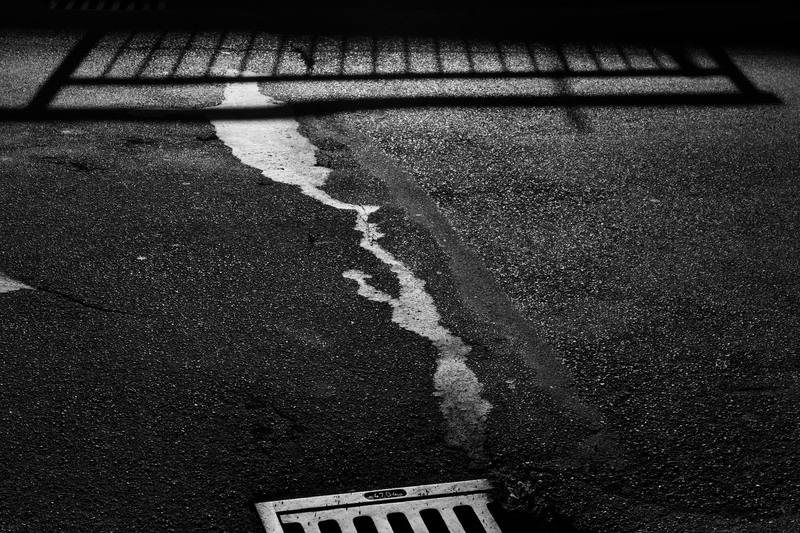
Channel Drains
Trench drains across driveways, patios and garage aprons to intercept sheet flow.
Learn more
Emergency Flooded Yard Drainage
When a storm leaves water pooling in your yard or against the house, we help get it moving and find out why it happened.
Learn more
Get started
Tell us where the water goes
Call (916) 010-0004 or send a message with a few photos of the wet area. We are open Monday to Friday 7 AM to 7 PM and Saturday 8 AM to 5 PM.