Can a French drain stop water from getting into a crawl space?
Often yes, if the water comes from outside through the soil or off the surface, but not if it comes from condensation, a leak or water rising from below.
A wet crawl space is one of the most common drainage calls we get in Roseville, and the first question is usually whether a French drain will fix it. Sometimes it is the right answer and sometimes it is not. Here is how to tell which, and what you can check before anyone digs.
The plain answer
A French drain is a trench lined with fabric, filled with gravel and laid with a perforated pipe. Water moving through the soil drops into the gravel, enters the pipe and flows to a place where it can leave the property. If water gets into your crawl space because rain soaks the ground beside the foundation, a French drain on the side the water comes from can catch much of it before it reaches the foundation wall.
It does not fix every wet crawl space. If the moisture is condensation on cool surfaces, a dripping supply line, or groundwater coming up through the crawl space floor, an outside drain will do little. So the first job is always finding out where the water is coming from.
What changes the answer on a real property
Where the water comes from matters most. A yard that slopes toward the house, a neighbour's lot that sits higher than yours, or downspouts that empty right at the foundation all push water against the crawl space walls. Those are the cases where a drain, or a simpler fix, usually works.
Soil matters too. Much of Roseville sits on clay, and in places there is a hard, packed layer not far below the surface. Water moves slowly through clay. When it hits that packed layer it tends to spread sideways until it finds something to follow, and a foundation footing is often that something. A French drain is good at catching this kind of perched water, but it is only as good as its outlet.
The outlet is where many drains fail. The pipe needs steady fall to daylight, to a curb outlet where the city allows one, or to a dry well. On a flat lot there may be no easy low point. In clay, a dry well drains slowly, so it has to be sized and placed with that in mind.
The house itself plays a part. Many older homes near downtown Roseville and in the older neighbourhoods have raised floors over vented crawl spaces, while much of the newer housing is built on slabs. An older crawl space may also have no vapour barrier, a torn one, or vents that have been buried by planter beds over the years.
What you can check yourself
Start under the house, after a good rain, with a flashlight and only if it is safe to go in. Note where the water is. Water along one wall, or in a line near the footing, points to water coming in from outside on that side. Damp spread evenly across the top of a vapour barrier points more to condensation. A wet patch under a bathroom or kitchen points to plumbing.
Then walk outside while it is raining. Watch where the roof water goes and which way it runs across the yard. Look at each downspout. If it ends at the foundation, or the extension has come loose, that alone can soak a crawl space.
Check the soil against the house. It should slope away from the wall. Mulch and planter beds often build up over the years until the ground slopes toward the house, or sits above a vent.
Finally, think about the season. Roseville summers are hot and dry, so a crawl space that is wet in July, with no rain, points to sprinklers or drip lines watering the soil beside the foundation, or to a leak inside.
When it needs a professional
Call someone in if water stands in the crawl space after most storms, if it comes in along more than one wall, or if you cannot find an obvious low point for water to go. Those usually mean the fix involves digging along the foundation and working out grades and an outlet, which is not a weekend job.
Digging near a footing has to be done carefully so the soil under the foundation is not disturbed, and gas, water and irrigation lines run through most yards. Call 811 before anyone digs. If you see wood that is soft, a musty smell that stays, or cracks that look like the foundation is moving, those may need other trades as well. A drain stops the water. It does not repair damage the water already did.
When we visit, we look under the house and around it, check how the lot drains, trace the downspouts, and look for a workable outlet. Then we tell you what we think is causing the water and the simplest fix likely to stop it.
How this fits with the other fixes
A French drain is often not the first step. If the roof water is the problem, Downspout Drainage, which means piping downspouts underground and away from the house, may solve it on its own, and it is a smaller job. Regrading the soil so it slopes away from the walls is another common first fix.
When outside water is coming through the soil and a lot cannot be graded enough to stop it, French Drain Installation along the wet side is the next step. If water is rising from below or there is nowhere for an outside drain to empty, an interior drain feeding a sump pit may be the better choice, and Sump Pump Installation covers that. In some Roseville crawl spaces the answer is a combination: fix the downspouts and grading first, then add a drain only where water still gets in.
Related questions
Look under the house after a rain. Water along one wall or near the footing usually comes from outside on that side. Even dampness on top of the vapour barrier is more often condensation, and a wet spot under a fixture is usually plumbing.
If water is coming through the soil from one side, an outside drain catches it before it reaches the wall. If water rises from below or there is no outlet for an outside drain, an inside drain feeding a sump pit is often the better fit. A visit is the way to tell which applies.
Sometimes, yes. Downspouts that empty at the foundation are one of the most common causes of a wet crawl space. Piping them away from the house and making sure the soil slopes away is worth doing before a French drain.
Clay does not stop a French drain from working, but it changes the design. Water moves slowly in clay and can sit on a hard layer below the surface, so the drain needs a reliable outlet. If water has to go to a dry well, the well must be sized for slow-draining soil.
Services
How we can help in Roseville
French Drain Installation
Perforated pipe in a gravel trench, wrapped in fabric, graded to carry groundwater away from the house.
Learn more
Yard Drainage
Standing water in lawns and beds solved with catch basins, surface drains and regrading.
Learn more
Drainage Repair
Clogged, crushed or silted drains located, flushed, repaired or replaced.
Learn more
Sump Pump Installation
Pits, pumps and discharge lines for basements and crawl spaces that take on water.
Learn more
Downspout Drainage
Downspouts piped underground to daylight or a dry well so roof water stops pooling at the foundation.
Learn more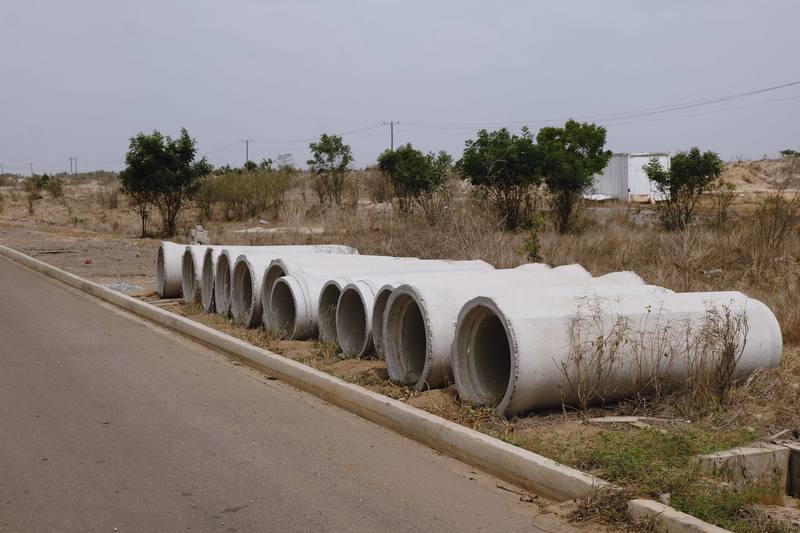
Dry Well Installation
Buried chambers that store and soak away roof and surface water where there is nowhere to drain to.
Learn more
Grading and Regrading
Soil reshaped so water runs away from the house and off the lawn instead of sitting.
Learn more
Channel Drains
Trench drains across driveways, patios and garage aprons to intercept sheet flow.
Learn more
Emergency Flooded Yard Drainage
When a storm leaves water pooling in your yard or against the house, we help get it moving and find out why it happened.
Learn more
Get started
Tell us where the water goes
Call (916) 010-0004 or send a message with a few photos of the wet area. We are open Monday to Friday 7 AM to 7 PM and Saturday 8 AM to 5 PM.