How do I install a French drain?
Dig a sloped trench from the wet spot to a place the water can safely go, line it with filter fabric, lay perforated pipe on a bed of gravel, cover it with more gravel, wrap the fabric over the top and backfill.
A French drain is a gravel-filled trench with a perforated pipe in it. It collects water from soggy ground and carries it somewhere else. The digging is simple to describe. The hard part is getting the slope and the outlet right, and on Roseville's clay soil those two things decide whether the drain works for years or fills with standing water.
The short answer
A French drain is a trench that slopes downhill from where water collects to where it can safely leave your property. You line the trench with filter fabric, put a few inches of washed gravel in the bottom, and lay perforated pipe on that gravel with the holes facing down. Then you cover the pipe with more gravel, fold the fabric over the top so soil cannot wash in, and finish with soil and sod or decorative rock.
The trench needs a steady fall from one end to the other. A common rule of thumb is about an inch of drop for every eight to ten feet of run, and more is better if the ground allows it. The drain also needs an outlet: a spot lower than the wet area where the water can go without causing a new problem. That could be a pop-up emitter in the lawn, a dry well, or a legal connection to the street gutter where the city allows it.
Before you dig anywhere, call 811 so buried gas, power and cable lines get marked. That call is free, and it is the most important step on the whole job.
What changes the answer on a real property
The steps above are the same on every property. The details are not, and the details decide whether the drain works.
Soil is the first one. Much of Roseville and the nearby towns sits on heavy clay, and in places there is a hard, cemented layer a foot or two down. Water does not soak into clay quickly. A French drain on clay works as a collector and a channel. It gathers water and moves it away, but it cannot count on the ground to absorb it along the way. That makes the outlet more important here than in sandy areas.
Fall is the second. Many newer tract homes in Roseville have narrow side yards and backyards graded almost flat. Sometimes there is not enough drop between the wet spot and the street to get water out by gravity. When that happens, the answer changes. You may need a dry well, a deeper trench, a sump basin with a pump, or regrading of the yard before a drain makes sense.
The third is where the water comes from. A drain cannot fix a downspout that dumps a roof's worth of water next to the foundation, or a lawn that slopes toward the house. If the source is the roof or the grade, fix that first, and the drain may not be needed at all.
Last, think about what is in the way: sprinkler lines, fence posts, tree roots, patio slabs and utility runs. In established neighbourhoods with mature oaks, roots can block a trench route entirely, and protected trees may limit where you can dig.
What you can check yourself first
You can learn a lot before you buy any pipe or gravel. Watch your yard during and after a real winter rain, not a light sprinkle. Note where water pools, how long it stays, and which direction it moves.
A few simple checks help:
- Walk the downspouts. See where each one empties and whether the water runs toward or away from the house.
- Look at the grade near the foundation. Soil should slope away from the walls for the first several feet, not toward them.
- Find your low point. Pick the spot where you think water could leave the property and check with a string line and level whether it really sits lower than the wet area.
- Dig a test hole near the wet spot, fill it with water and see how long it takes to drain. If it is still full the next day, the soil will not absorb water and the drain needs a real outlet.
- Check whether your sprinklers are part of the problem. Overspray and broken heads cause a surprising number of soggy patches through the dry months.
When it needs a professional
A short, shallow drain across an open lawn, with clear fall to an outlet, is a reasonable weekend project for a handy homeowner. Plenty of jobs are not like that.
Call someone in if the drain has to run along the foundation, especially near a crawlspace or a slab with cracks. A trench dug too close or too deep beside a footing can weaken the soil holding up the house. The same goes for drains that must cross under a driveway or walkway, connect to the street, or run through a side yard too narrow for equipment.
It also makes sense to get help if you cannot find enough fall, if water is reaching the inside of the house or garage, or if you have tried a drain before and it filled with silt or stopped working. Those are signs the source, the slope or the outlet was not right the first time, and digging the same trench again will give the same result.
When we come out, we look at where the water starts, where it collects, and where it can go. We check the fall with a level and talk through the options before anyone digs. Sometimes the answer is a French drain. Sometimes it is redirecting a downspout or reshaping a few feet of soil.
How this fits with our services
French Drain Installation is one of the main jobs we do around Roseville, Rocklin, Granite Bay and the other towns we serve. Most of the work is in the planning: choosing the route, setting the fall, picking the outlet and making sure the fabric and gravel will keep the pipe clear for a long time.
Often a French drain is one part of a wider Yard Drainage plan. A soggy backyard might need a drain along the low side, downspouts piped to the same outlet, and a little regrading so the lawn sheds water instead of holding it. Treating the whole yard as one system usually works better than adding a trench in the wettest spot and hoping the rest sorts itself out.
If you are not sure where to start, a visit before the rainy season is the easiest time to plan. The ground is dry, digging is cleaner, and the drain is ready when the first storms arrive.
Related questions
Most yard drains are somewhere around a foot to two feet deep, deep enough to sit below the wet layer of soil. What matters more than a set depth is a steady slope from start to finish. The trench gets deeper toward the outlet as it follows that fall.
Yes, especially on clay soil like much of the ground around Roseville. Without fabric, fine soil washes into the gravel and pipe and slowly clogs them. Fabric is cheap compared with digging the drain up again.
Down. Water rises from below into the gravel bed and enters the pipe through the holes at the bottom, then flows away inside the pipe. Holes facing up let water sit in the bottom of the trench.
It needs to go somewhere lower than the wet area where it will not flood a neighbour or run back toward a house. Common outlets are a pop-up emitter in the lawn, a dry well, or a curb outlet where the city permits it. Check local rules before you tie into the street.
It can help when water is soaking toward a crawlspace from the yard, but it is rarely the whole answer. Downspouts, grading and sometimes a sump pump usually need attention too. It is worth finding where the water enters before you choose a fix.
Services
How we can help in Roseville
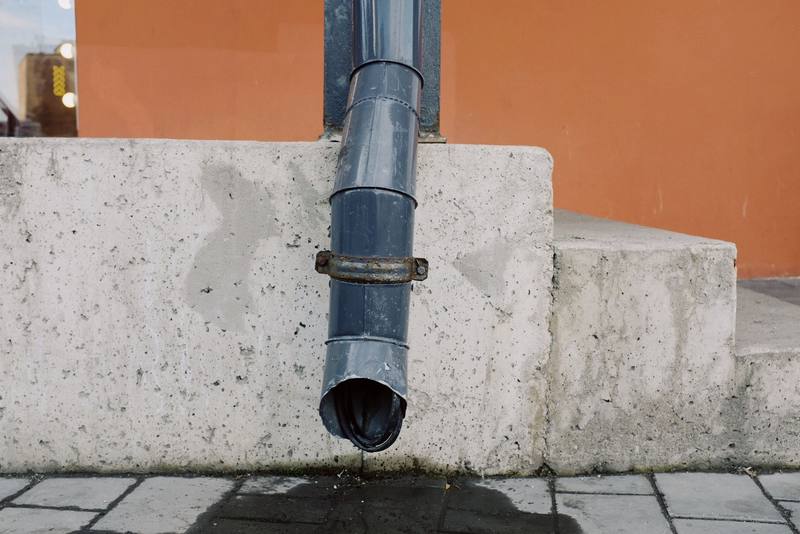
French Drain Installation
Perforated pipe in a gravel trench, wrapped in fabric, graded to carry groundwater away from the house.
Learn more
Yard Drainage
Standing water in lawns and beds solved with catch basins, surface drains and regrading.
Learn more
Drainage Repair
Clogged, crushed or silted drains located, flushed, repaired or replaced.
Learn more
Sump Pump Installation
Pits, pumps and discharge lines for basements and crawl spaces that take on water.
Learn more
Downspout Drainage
Downspouts piped underground to daylight or a dry well so roof water stops pooling at the foundation.
Learn more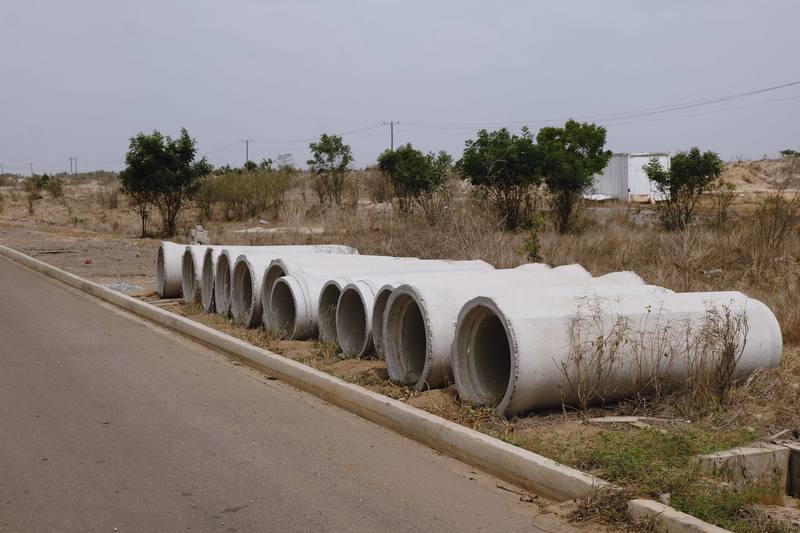
Dry Well Installation
Buried chambers that store and soak away roof and surface water where there is nowhere to drain to.
Learn more
Grading and Regrading
Soil reshaped so water runs away from the house and off the lawn instead of sitting.
Learn more
Channel Drains
Trench drains across driveways, patios and garage aprons to intercept sheet flow.
Learn more
Emergency Flooded Yard Drainage
When a storm leaves water pooling in your yard or against the house, we help get it moving and find out why it happened.
Learn more
Get started
Tell us where the water goes
Call (916) 010-0004 or send a message with a few photos of the wet area. We are open Monday to Friday 7 AM to 7 PM and Saturday 8 AM to 5 PM.