How do I keep roof water away from my foundation?
Keep the gutters clear, carry every downspout well away from the house, and make sure the ground slopes away from the walls on all sides. If the yard can't move the water by itself, send it through a buried pipe to a safe outlet.
A roof collects a lot of water in a storm, and gutters bring all of it down to a few spots next to your house. If that water stays at the foundation, it soaks the soil under the slab edge or runs into the crawlspace. Here is how we would look at it on a Roseville property, and what you can check before you call anyone.
The plain answer
Roof water gets to a foundation in three main ways. It spills over gutters that are clogged or too small. It comes out of a downspout right at the base of the wall. Or it lands on soil that slopes back toward the house. Fix those three and most foundation water problems go away.
In practice that means gutters that are clean and pitched toward the downspouts, and downspouts that carry water several feet from the house before letting it go. It also means soil that falls away from the walls on every side. A splash block is better than nothing, but it only moves water a short distance. On many lots the better fix is to connect each downspout to solid buried pipe and run it to a place where the water can drain or soak in safely, away from the house and away from your neighbor's.
What changes the answer on a real Roseville property
The soil matters most. Much of Roseville and the surrounding area sits on clay, often with a hard layer not far below the surface. Clay takes in water slowly, swells when it is wet and shrinks and cracks through the dry summer. Water dumped beside a foundation in clay doesn't drain away quickly. It sits there and works its way along the slab edge or under a raised floor. That hard layer can also stop water from going deeper, so a soak pit that would work well in sandy ground may fill up and stay full here.
The weather matters too. Most of our rain comes in winter, often in a few heavy storms. A setup that looks fine all summer gets its real test on one wet night in January.
Then there is the house itself. Many newer neighborhoods have slab homes with narrow side yards. Those side yards often carry water from two roofs, yours and your neighbor's, with nowhere obvious to send it. Older homes near downtown are more likely to have raised floors and crawlspaces, where the warning sign is standing water or damp soil under the house. Landscaping changes things as well. A planter bed built against the wall, mulch piled up over the bottom of the stucco, or a patio poured with a slight tilt toward the house can each hold water against the foundation.
What you can check yourself
The best time to look is during or just after a good rain. Put on a jacket and walk around the house.
Watch the gutters. Water pouring over the front edge usually means a clog, a sag or a downspout that can't keep up. Look at where each downspout lets go. If water pools within a few feet of the wall, it needs to go farther. Note where puddles form and how long they last. Ground that is still soggy a day later next to the house is telling you something.
Check the soil line. On stucco homes there is a metal strip near the bottom of the wall called a weep screed. It should stay visible above the soil and mulch, not buried. If you have a crawlspace, look in after a storm for standing water, wet soil or a white chalky crust on the foundation walls, which is mineral residue left by water passing through.
In the dry months you can test buried downspout lines with a garden hose. Run water into the downspout and go find where it comes out. If it backs up at the top or never shows up at the outlet, the pipe is clogged, crushed or disconnected.
When it needs a professional
Some fixes are easy to do yourself: cleaning gutters, adding extensions, pulling mulch back from the wall. Others are worth handing off.
Call someone if water still stands near the house a day after rain, if your crawlspace gets wet in most storms, or if buried downspout lines keep clogging. The same goes when there's no clear low spot on the lot to send water to, when the ground near the house needs to be reshaped, or when water from a neighboring property is part of the problem. Those jobs mean digging, setting pipe at the right fall and making sure the water ends up somewhere it won't cause a new problem.
If you see foundation cracks that are getting wider, floors that are going out of level or doors that have started sticking, have the structure looked at as well. We deal with the water side. Moving the water away is often part of the answer, but it doesn't replace an assessment of the foundation itself.
How this connects to the work we do
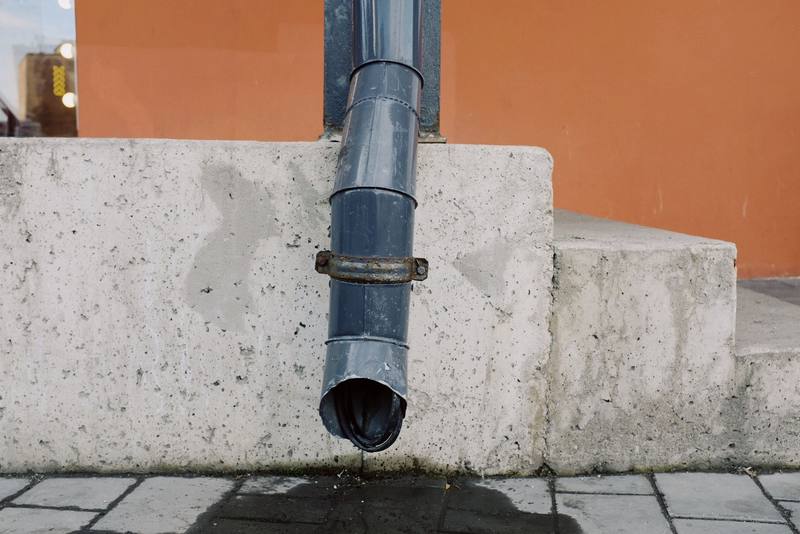
Most roof water problems we see in Roseville are handled with Downspout Drainage. We connect each downspout to solid buried pipe and run it to a suitable outlet. Depending on the lot and local rules, that might be the curb, a pop-up emitter out in the yard, or a lower part of the property. Solid pipe matters here, because the goal is to carry the water away, not leak it back into the soil beside the house.
When water also moves through the ground toward the house, French Drain Installation is often added. A trench with perforated pipe and gravel catches water before it reaches the foundation and carries it off. This is common in side yards and along the uphill side of a house. Sometimes the ground needs to be reshaped first so the surface water runs the right way.
A visit starts with a walk around the property. We look at the gutters, the downspouts, the slope of the ground and where water has been collecting. We may run water through a downspout to see where it goes. Then we explain what we found and whether a repair will do or something new is needed, and you decide from there.
Related questions
Far enough that the water doesn't run back toward the foundation. A short extension or splash block helps a little, but on clay soil it often isn't enough. On many Roseville lots the more reliable fix is buried pipe that carries the water to a curb outlet, a yard emitter or a lower part of the property.
Usually not. Perforated pipe lets water out along its whole length, so it can put roof water right back into the soil next to your house. Downspout lines should be solid pipe. Perforated pipe belongs in a French drain, which is built to collect groundwater, not carry roof runoff.
In much of the Roseville area the soil is clay, sometimes with a hard layer below, so water soaks in slowly. Low spots, flat grading and roof water released close to the house all make it worse. If water sits for a day or more near the foundation, it is worth having the drainage looked at.
They can cut down on clogs from leaves and pine needles, but they don't change where the water goes once it leaves the downspout. If the downspouts still empty right beside the foundation, the problem remains. Guards help keep gutters flowing, and the downspout discharge still needs fixing.
Yes. We are based in Roseville and also serve Rocklin, Lincoln, Granite Bay, Citrus Heights, Folsom, Loomis, Antelope, Orangevale and Fair Oaks. Our hours are Monday to Friday 7:00 AM to 7:00 PM and Saturday 8:00 AM to 5:00 PM.
Services
How we can help in Roseville
French Drain Installation
Perforated pipe in a gravel trench, wrapped in fabric, graded to carry groundwater away from the house.
Learn more
Yard Drainage
Standing water in lawns and beds solved with catch basins, surface drains and regrading.
Learn more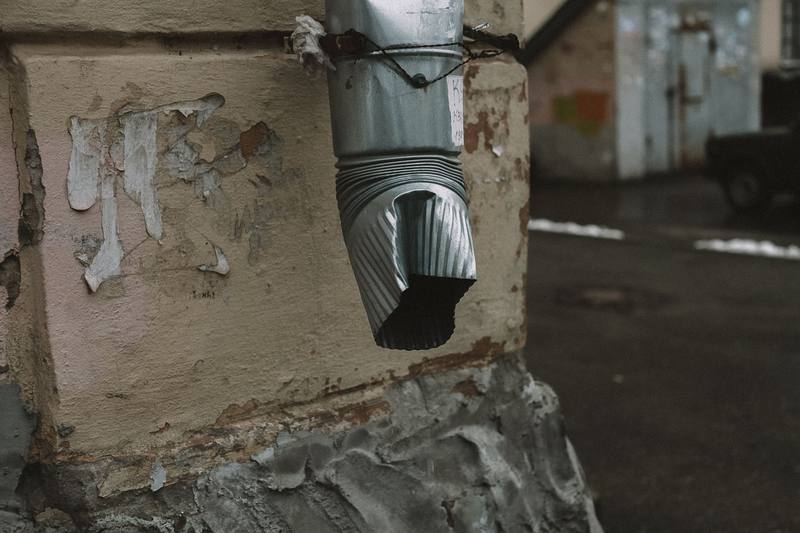
Drainage Repair
Clogged, crushed or silted drains located, flushed, repaired or replaced.
Learn more
Sump Pump Installation
Pits, pumps and discharge lines for basements and crawl spaces that take on water.
Learn more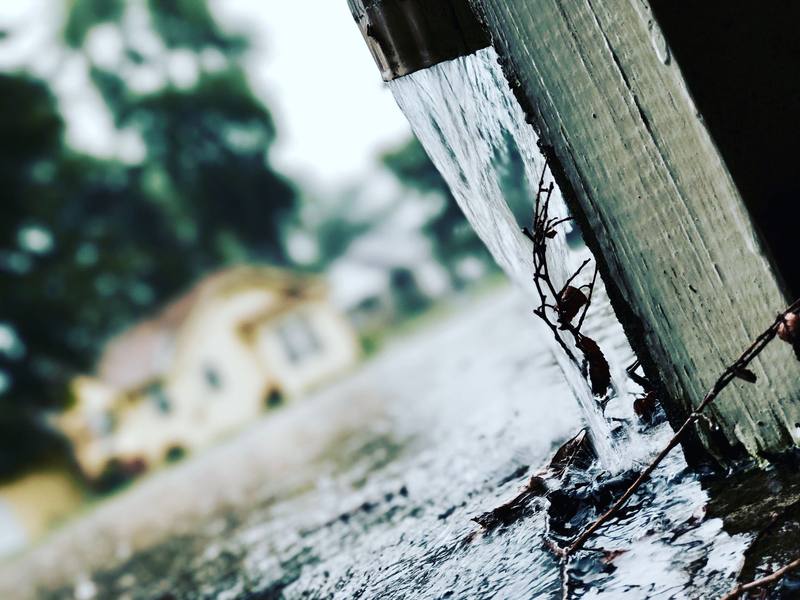
Downspout Drainage
Downspouts piped underground to daylight or a dry well so roof water stops pooling at the foundation.
Learn more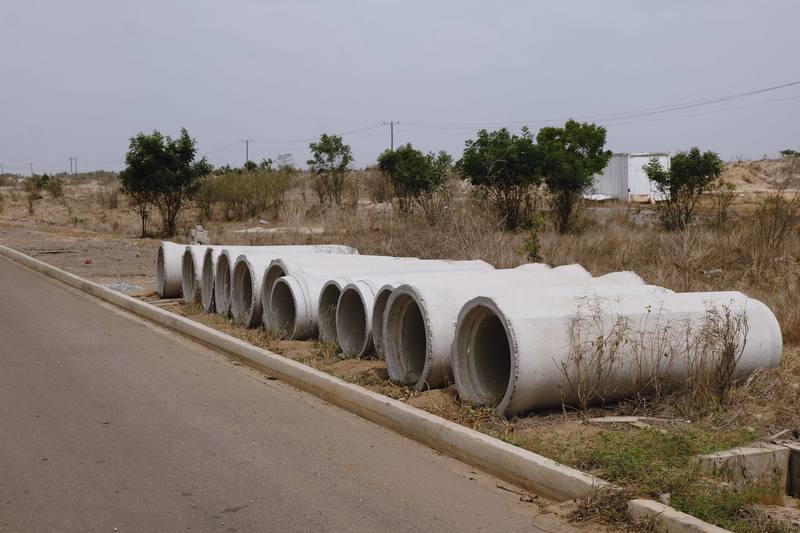
Dry Well Installation
Buried chambers that store and soak away roof and surface water where there is nowhere to drain to.
Learn more
Grading and Regrading
Soil reshaped so water runs away from the house and off the lawn instead of sitting.
Learn more
Channel Drains
Trench drains across driveways, patios and garage aprons to intercept sheet flow.
Learn more
Emergency Flooded Yard Drainage
When a storm leaves water pooling in your yard or against the house, we help get it moving and find out why it happened.
Learn more
Get started
Tell us where the water goes
Call (916) 010-0004 or send a message with a few photos of the wet area. We are open Monday to Friday 7 AM to 7 PM and Saturday 8 AM to 5 PM.