My French drain is full of dirt. How can I clear it?
If the drain has a cleanout, you can often flush loose dirt out with a hose or a small jetter, but if it fills again, the real problem is how the dirt is getting in.
A French drain full of dirt has stopped doing its one job: moving water away from your house or yard. Clearing it is usually possible, and sometimes it is a simple weekend task. This post covers how to flush it, how to tell what caused it, and when flushing will not be enough.
The short answer
If the pipe has a cleanout, run a garden hose into it at full flow, or rent a small drain jetter and push water from the high end toward the outlet. If water then runs freely out the far end, the drain is working again for now. If the water backs up, keeps coming out muddy, or the drain fills again within a season, the dirt is not the real problem. The real problem is how the dirt is getting in, and flushing will only buy time.
A French drain is a perforated pipe set in a gravel trench, normally wrapped in filter fabric. The design lets water in and keeps soil out. When the pipe fills with silt, part of that design has failed. So clearing the pipe is step one, and finding the cause is step two.
What usually puts dirt in a French drain
Most clogged French drains come down to one of a few causes. The first is missing filter fabric, or fabric wrapped only around the pipe when it should also line the trench, so fine soil washes through the gravel and into the perforations. The second is muddy surface water running straight onto the gravel, from a downspout or a bare slope, so the trench works like a sieve until it is full.
A sag in the pipe is another common one. Water slows down at the low point and drops its silt there, and over a few wet seasons that spot fills solid. Roots also find the moisture, grow into the perforations, and catch everything that passes. Finally, a crushed or separated section, often from a vehicle, a fence post or later landscaping work, lets soil pour in at a single point. Which of these you have decides whether a flush will do the job.
What changes the answer around Roseville
A lot of the ground in Roseville and the nearby Placer County neighborhoods is clay, and in places there is a hard, compacted layer not far below the surface. Clay particles are very fine. They pass through coarse gravel easily and stay suspended in water, so a drain without good fabric silts up faster here than it would in sandy soil. Clay also sheds water instead of soaking it up, so these drains often take a lot of muddy runoff in a short time.
Rain here comes mostly in winter, and then the yard dries out for months. Silt that washed in during a January storm bakes in place over the summer. By the next rainy season it can be packed hard enough that a hose barely moves it.
Layout matters too. Many newer Roseville subdivisions have narrow side yards with the drain running between the house and the fence, often under rock or pavers, which makes access harder. Older lots with mature oaks drop heavy leaf litter, and it breaks down into a fine sludge inside the pipe.
What you can check yourself
Start at the outlet. Find where the drain is meant to discharge, whether that is a pop-up emitter in the lawn, an opening at the curb or a dry well. If the outlet is buried, crushed or covered in mulch, clear it first. A blocked exit makes the whole line look clogged.
Next, look for a cleanout, usually a capped pipe standing up near the high end of the drain. Take off the cap, run a hose in at full flow and watch the outlet. Clear water arriving quickly is a good sign. If the water comes out muddy and then clears, you have flushed out loose silt. If water rises in the cleanout and never reaches the outlet, you have a solid blockage or a broken section.
Walk the trench after a rain. Soft, wet patches or small sinkholes along the line often mark a collapsed or separated pipe. Gravel that is crusted with dirt or grown over with grass means soil is washing in from above.
If you rent a jetter or a drain snake, go gently. Perforated drain pipe, especially the thin corrugated kind, tears more easily than a sewer line, and an aggressive cutting head can turn a small problem into a big one.
When it needs a professional
Call someone in when flushing does not reach the outlet, when the drain fills with silt again within a season, when the ground is sinking along the trench, or when there is no cleanout and no visible outlet at all. These point to a broken pipe, a sag, or a drain built without proper filtering, and more flushing will not fix any of them.
A visit usually starts with finding both ends of the line and running water through it. Where access allows, a camera inspection of the pipe can show exactly where the blockage or break is. That tells us whether we can dig up and fix a short section or whether the whole run has to be rebuilt, and we explain which one it is before any digging starts.
Repair or reinstall
If the trench, gravel and fabric are sound and the trouble is one crushed section or one root intrusion, Drainage Repair is usually the right call. We open up that spot, replace the damaged pipe, and add a cleanout if there was none, so the line can be flushed in future.
If the drain was built with no fabric, with gravel mixed into soil, or with pipe that does not fall steadily toward the outlet, repairs tend to fail the same way again. Then French Drain Installation is the longer-lasting fix: a trench lined with filter fabric, clean washed gravel, pipe set to a steady slope, cleanouts at the high end and at turns, and an outlet that can actually take the water.
It also helps to stop muddy water before it reaches the drain. Send downspouts through their own solid pipe so they do not empty onto the gravel, and keep bare soil from washing onto the trench.
Related questions
Some pressure washers can take a sewer jetter hose attachment, and that can work on a sound pipe. Keep the pressure moderate, because thin corrugated drain pipe can split. If the line has a break, jetting will push more soil around without fixing anything.
Look for a capped pipe, usually white or black plastic, standing up a few inches above the ground near the high end of the drain or at a bend. It may be hidden under mulch, rock or a small round lid. If you cannot find one, the drain may have been built without it, and adding one is a sensible part of any repair.
Only if the pipe and fabric underneath are in good condition. New gravel over a sagging or crushed pipe, or over a trench with no fabric, will silt up the same way. Check the pipe first, then decide.
A well-built drain with good fabric often needs little more than an occasional check of the outlet. In the Roseville area, a quick flush before the rainy season starts is a reasonable habit. If yours needs clearing every year, something in the drain is letting soil in and it is worth finding out what.
Services
How we can help in Roseville
French Drain Installation
Perforated pipe in a gravel trench, wrapped in fabric, graded to carry groundwater away from the house.
Learn more
Yard Drainage
Standing water in lawns and beds solved with catch basins, surface drains and regrading.
Learn more
Drainage Repair
Clogged, crushed or silted drains located, flushed, repaired or replaced.
Learn more
Sump Pump Installation
Pits, pumps and discharge lines for basements and crawl spaces that take on water.
Learn more
Downspout Drainage
Downspouts piped underground to daylight or a dry well so roof water stops pooling at the foundation.
Learn more
Dry Well Installation
Buried chambers that store and soak away roof and surface water where there is nowhere to drain to.
Learn more
Grading and Regrading
Soil reshaped so water runs away from the house and off the lawn instead of sitting.
Learn more
Channel Drains
Trench drains across driveways, patios and garage aprons to intercept sheet flow.
Learn more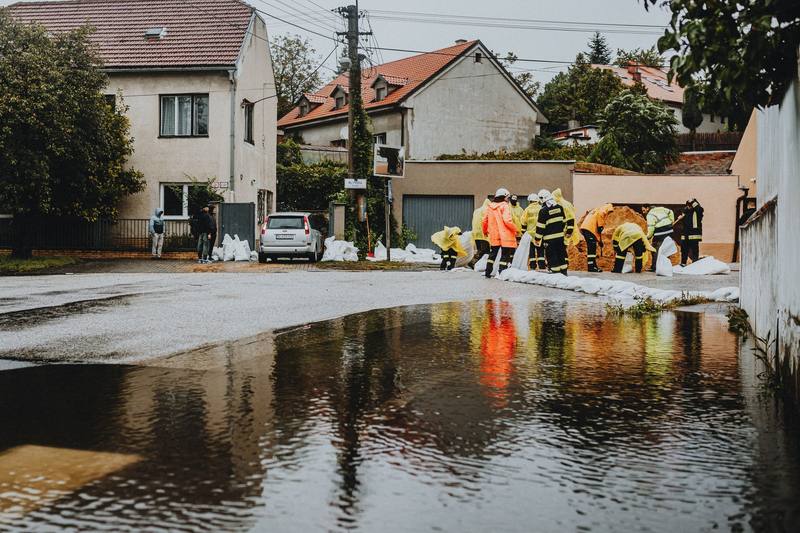
Emergency Flooded Yard Drainage
When a storm leaves water pooling in your yard or against the house, we help get it moving and find out why it happened.
Learn more
Get started
Tell us where the water goes
Call (916) 010-0004 or send a message with a few photos of the wet area. We are open Monday to Friday 7 AM to 7 PM and Saturday 8 AM to 5 PM.