What is the difference between a French drain and a trench drain?
A French drain is a buried, gravel-filled trench with a perforated pipe that removes water from the soil, while a trench drain is a grated channel set into a hard surface that catches water running across the top.
Both drains move water away from places it should not sit, and the names get mixed up. They work at different levels, though. A French drain deals with water underground, and a trench drain deals with water on the surface. Here is how to tell which one your Roseville property needs.
The short answer
A French drain is a trench dug into the soil, lined with filter fabric, filled with washed gravel and laid with a perforated pipe near the bottom. Water already in the ground seeps into the gravel, enters the pipe through the holes and flows downhill to an outlet. Once the trench is backfilled and covered with soil, rock or sod, you hardly see it.
A trench drain, also called a channel drain, is a narrow channel set into concrete, pavers or asphalt and covered with a grate that sits flush with the surface. It catches water running across a driveway, patio or pool deck before that water reaches a garage door, a threshold or a low corner. The channel connects to solid pipe that carries the water away.
So a French drain handles water that has already soaked in, and a trench drain catches water before it gets the chance. Both need somewhere to send the water, usually a lower part of the yard, a dry well or an approved discharge point at the curb. Some properties need one, some need the other, and plenty need both working together.
What changes the answer on a real property
The first question is where the water comes from. If it runs off a roof, a neighbor's yard or a sloped lawn and then sits in the soil for days, that is subsurface water, and a French drain is usually the right tool. If it sheets across a hard surface toward the house, that is surface water, and a trench drain at the right line is the better fix.
Soil matters a lot in Roseville. Many neighborhoods sit on dense, clay-heavy soil that takes in water slowly. Winter storms often arrive as a few heavy days at a time, so the ground gets saturated quickly and stays wet. In summer the same clay dries hard and cracks, then swells again with the first rains. That cycle can move a slab, shift pavers and change how water flows from one year to the next. In clay, a French drain has to be deep enough and have enough gravel to collect water the soil will not let go of easily.
The type of surface matters too. Many Roseville homes have a driveway that slopes down toward the garage, or a patio poured with a slight fall toward the back door. You cannot put a French drain under solid concrete and expect it to catch the water on top. That is where a channel drain earns its place.
Lot layout is the last piece. Narrow side yards between houses are common in newer subdivisions, and they collect runoff from two roofs. A shallow French drain along the side yard, tied to the downspouts, often solves what looks like a big problem.
What you can check yourself
The most useful thing you can do costs nothing. Go outside during a steady rain and watch. Note where water pools, where it runs, and where it starts. Then check the same spots a day and two days later. Water that drains off within an hour is a different problem from a patch of lawn that stays soggy for a week.
Look at your downspouts. If they empty right at the foundation or onto a walkway, much of your problem may be roof water with nowhere to go. Check whether the soil next to the house slopes away from the walls or toward them. Over the years, planting beds, mulch and settled soil can leave the ground tilting the wrong way.
If you already have a drain, check it. Lift the grate on a channel drain and see if it is packed with leaves, sand or pool debris. Find where the outlet pipe ends and see whether water actually comes out during rain. A French drain that has stopped working often shows itself as a wet strip of lawn right along the trench line.
On a hard surface, look for stains, moss or a line of dirt where water collects. On soil, push a long screwdriver into the ground. If it slides in easily days after rain, the soil is holding water.
When it needs a professional
Call someone in when water is reaching the house itself. That means damp in a crawl space, water under the garage door, wet drywall at the base of a wall, or new cracks in a slab or foundation. These problems get more expensive the longer they continue.
A trench drain usually means cutting and removing a strip of concrete, setting the channel at the right height so the grate sits flush, and pouring new concrete around it. If the channel is set even slightly high or low, it either trips people or lets water skip past. A French drain needs a steady fall along its whole length, the right fabric and gravel for the soil, and an outlet that will not just move the problem to your neighbor's fence line.
In California, anyone digging should call 811 first so buried gas, power and water lines are marked. Irrigation lines are not marked, and most yards are full of them.
When we visit, we walk the property with you, look at where water starts and where it ends up, check downspouts and grade, and talk through what we would do and why. If a simpler fix will work, we will say so.
How this fits with what we do
Most of the drainage calls we get in and around Roseville come down to one of these two drains, or a mix of them. Our French Drain Installation work covers soggy lawns, wet side yards and water sitting against foundations. Our Channel Drains work covers driveways that send water into the garage, patios that pond against the back door, and pool decks that stay wet.
Often the best answer is a combination. A channel drain across the bottom of the driveway can feed into the same solid pipe that carries water from a French drain along the side yard, and both can run to one outlet. Sometimes the fix is smaller than people expect, such as extending downspouts away from the house or regrading a strip of soil that slopes the wrong way.
If you are not sure which drain your property needs, that is a normal place to start. Tell us what you see when it rains, send a few photos if you have them, and we will come and look. You can reach us at (916) 010-0004, Monday to Friday 7:00 AM to 7:00 PM and Saturday 8:00 AM to 5:00 PM.
Related questions
Yes. The two names describe the same thing: a narrow channel set into a hard surface with a grate on top. Some people also call it a strip drain or a slot drain, depending on the style of grate.
It can be installed before a slab is poured, to handle water in the soil underneath. It will not catch water running across the top of the finished surface, though. For surface water on concrete or pavers, you need a channel drain or a change in the slope.
Clay drains slowly, so a French drain in clay has to be built with that in mind. That usually means the right depth, enough gravel and good filter fabric, so the pipe stays clear. Built properly, it still works well in clay, which is common around Roseville.
Watch it during a rain. If water pools at a channel drain grate, or a wet strip of lawn appears along a French drain line, something is blocked or the outlet has failed. Also check that water actually comes out where the pipe ends.
Some properties do. If water runs across a driveway toward the garage and also soaks a side yard, each drain handles a different part of the problem. They can often share one outlet pipe.
Services
How we can help in Roseville
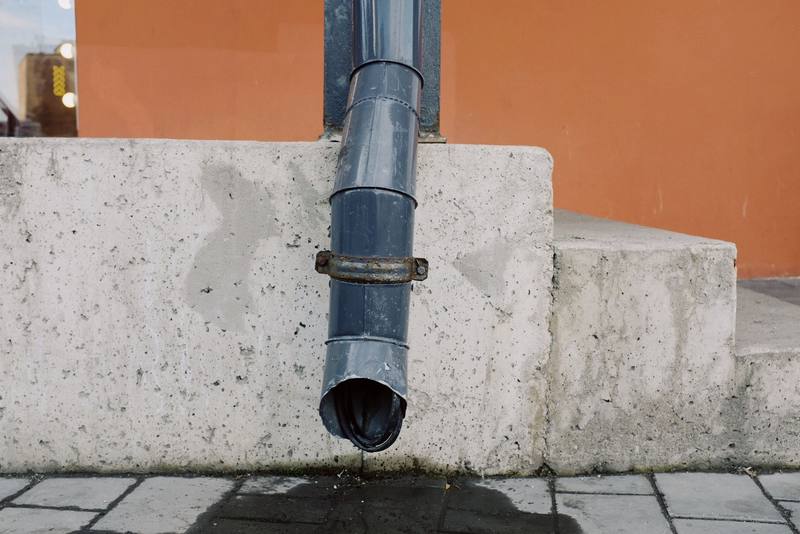
French Drain Installation
Perforated pipe in a gravel trench, wrapped in fabric, graded to carry groundwater away from the house.
Learn more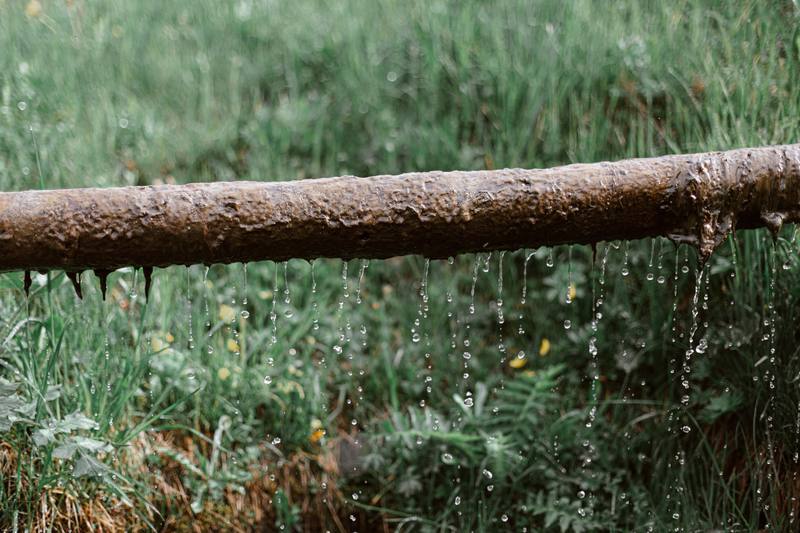
Yard Drainage
Standing water in lawns and beds solved with catch basins, surface drains and regrading.
Learn more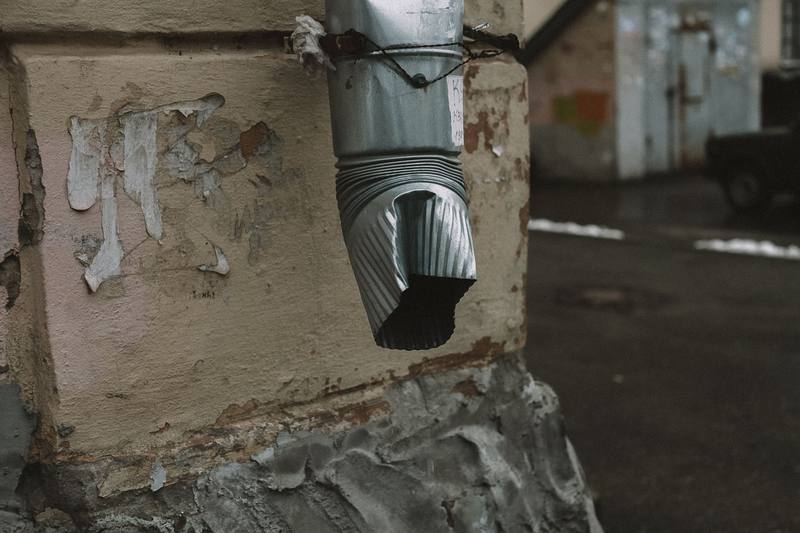
Drainage Repair
Clogged, crushed or silted drains located, flushed, repaired or replaced.
Learn more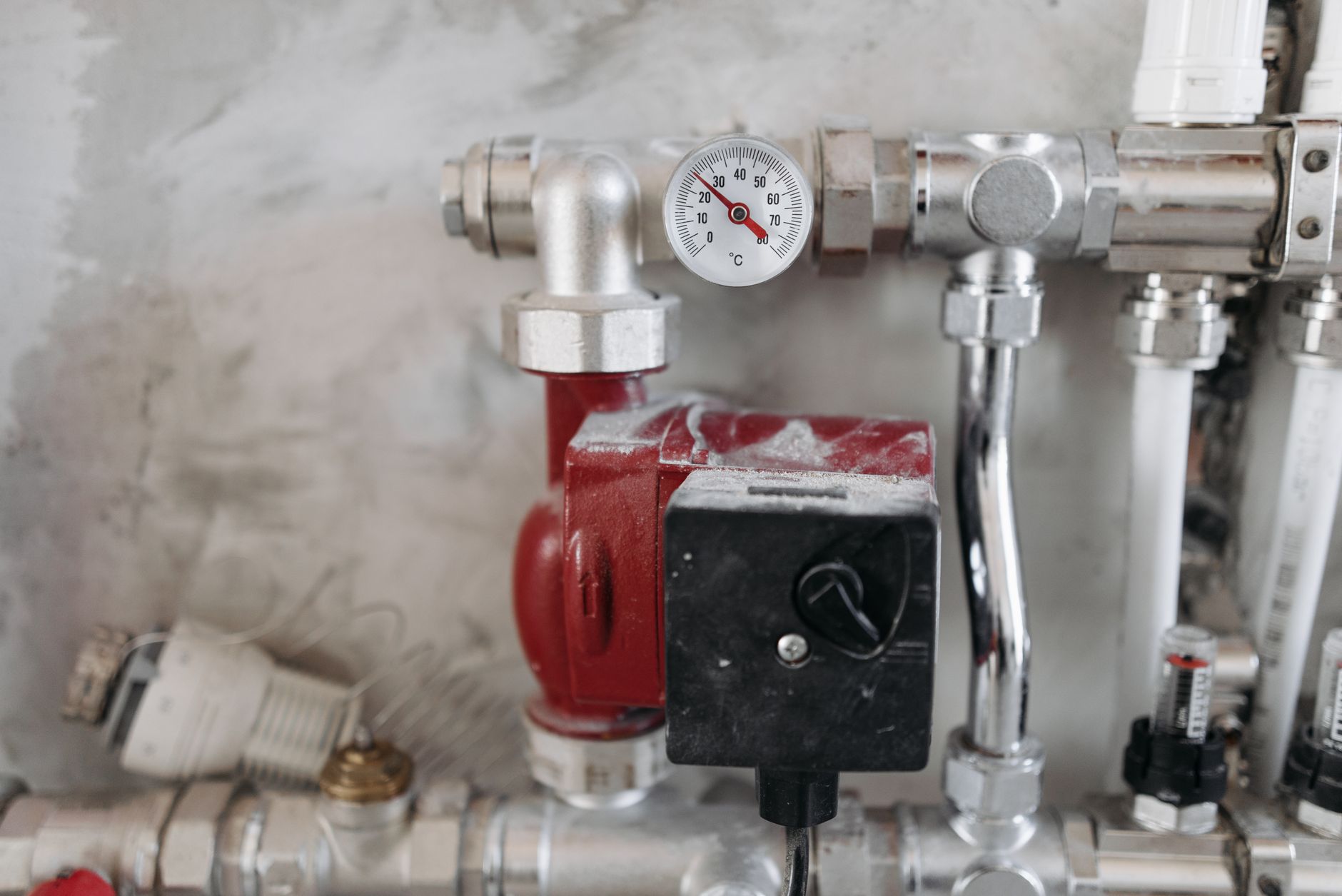
Sump Pump Installation
Pits, pumps and discharge lines for basements and crawl spaces that take on water.
Learn more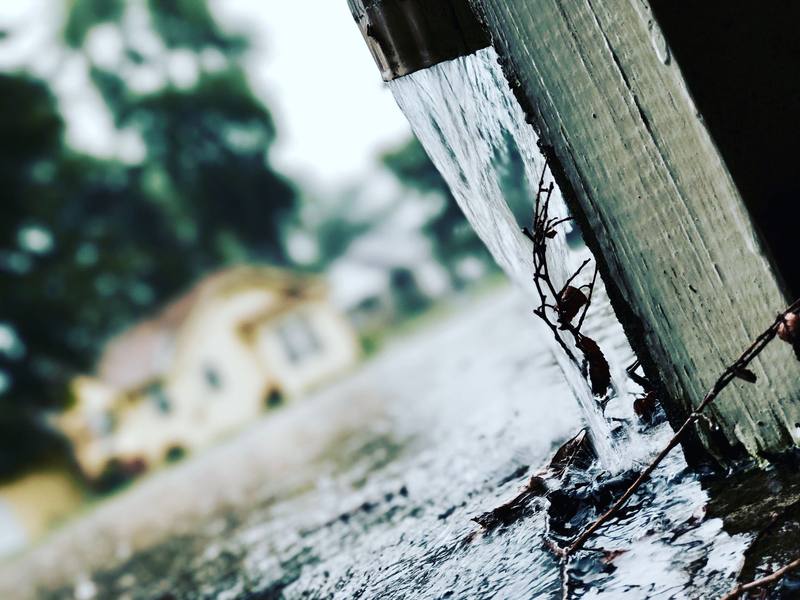
Downspout Drainage
Downspouts piped underground to daylight or a dry well so roof water stops pooling at the foundation.
Learn more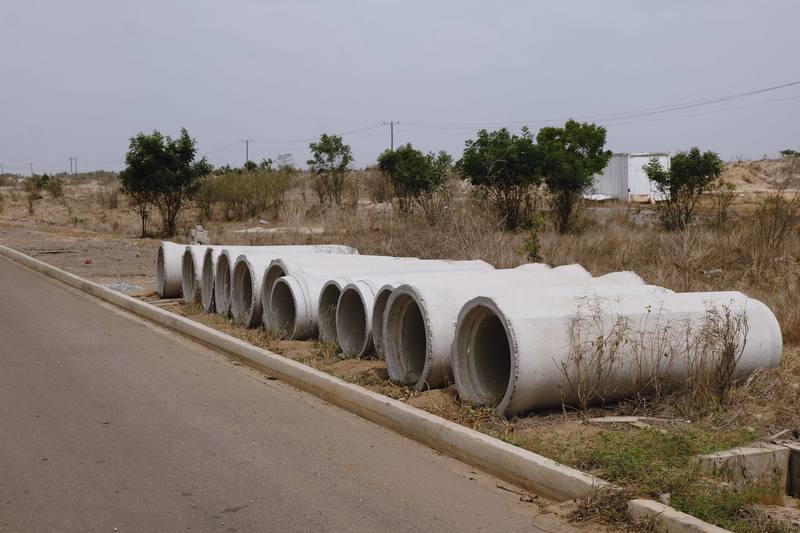
Dry Well Installation
Buried chambers that store and soak away roof and surface water where there is nowhere to drain to.
Learn more
Grading and Regrading
Soil reshaped so water runs away from the house and off the lawn instead of sitting.
Learn more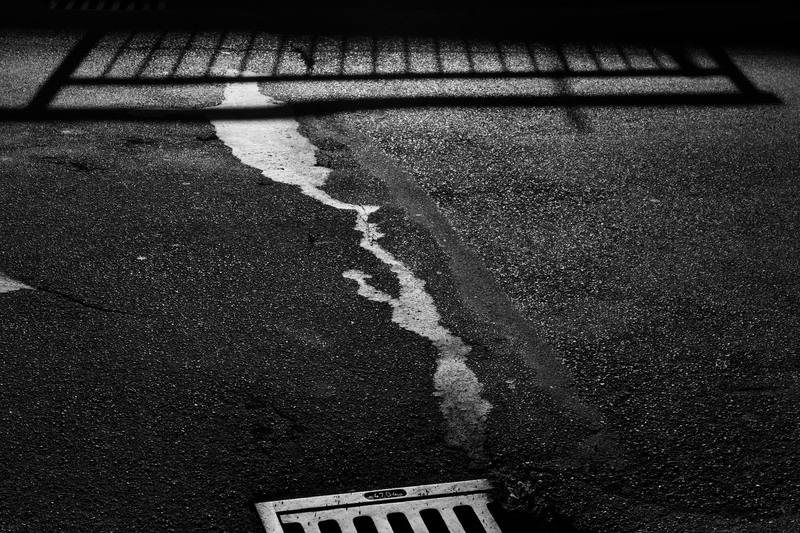
Channel Drains
Trench drains across driveways, patios and garage aprons to intercept sheet flow.
Learn more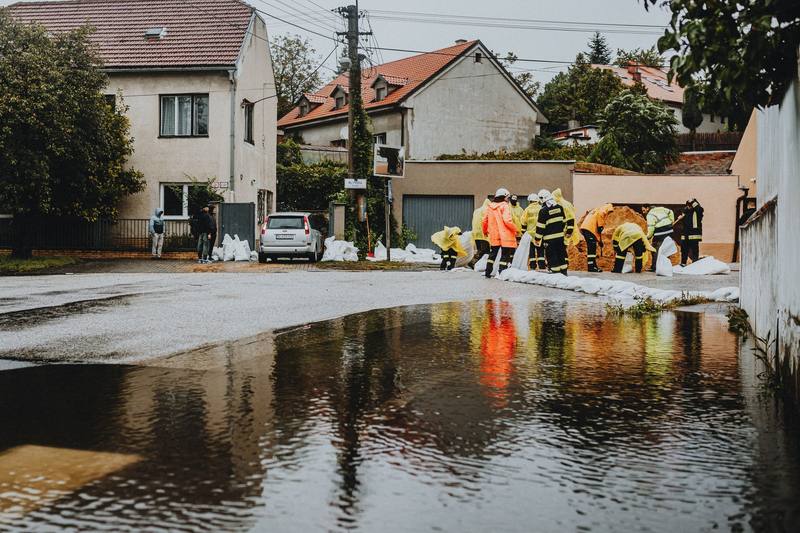
Emergency Flooded Yard Drainage
When a storm leaves water pooling in your yard or against the house, we help get it moving and find out why it happened.
Learn more
Get started
Tell us where the water goes
Call (916) 010-0004 or send a message with a few photos of the wet area. We are open Monday to Friday 7 AM to 7 PM and Saturday 8 AM to 5 PM.