Where should a French drain discharge?
A French drain should empty at a point lower than the whole pipe and well away from your foundation, usually a lower part of the yard, a curb outlet, a dry well or a sump basin, so the water can leave without causing a new problem.
Most French drain trouble comes from the outlet, not the trench. If the water has nowhere lower to go, the pipe fills, silts up and stops working, sometimes within a season or two. Here is how to think about where the water should end up on a property in Roseville and the towns around it.
The plain answer
A French drain is a perforated pipe laid in a gravel trench. It collects water from the soil around it and carries it somewhere else. The somewhere else is the discharge point, and it has to meet three conditions. It must be lower than every part of the pipe, so gravity can move the water the whole way. It must be far enough from your house that the water cannot run back toward the foundation. And it must be a place where the water can either soak in or leave the property without harming anyone else's.
On most residential lots that leaves four realistic options. The first is daylighting: running the pipe to a lower part of your own yard, where it simply opens onto the surface. The second is a curb outlet, where the pipe runs under the lawn and sidewalk and lets the water out at the street gutter. The third is a dry well, a buried chamber filled with gravel or a plastic basin that holds the water and lets it seep into the ground slowly. The fourth is a sump basin with a pump, used when there is no lower point the pipe can reach by gravity.
The one thing that does not bend is the fall. If any section of pipe sits lower than the outlet, water collects there, fine silt settles out, and the drain gradually chokes.
What changes the answer on a real property
Slope decides most of it. If your backyard falls away from the house toward a back fence with open ground behind it, daylighting may be simple. If the backyard is lower than the street, which is common on lots graded so the house sits up on a pad, gravity alone may not get the water anywhere useful.
Soil decides whether a dry well is worth building. Many neighbourhoods around Roseville sit on clay, and some have a hard layer a short way down that water barely moves through. A dry well dug into that kind of ground fills during the first big storm and then has nowhere to empty. In looser, sandier soil the same dry well can work well for years.
Lot layout matters too. Narrow side yards between houses leave little room for a trench, and fences, patios, pool equipment and gas lines all get in the way of the obvious route. Where the water ends up after it leaves the pipe matters just as much. Sending it toward a neighbour's yard or a shared side yard swale tends to move the problem next door, and that can create a dispute.
Local rules can also take an option off the table. Connecting to the street gutter or a storm drain may need approval from the city, and some homeowner associations have their own requirements about what can be cut through a sidewalk or front lawn. It is worth checking before anyone digs.
Finally, think about the weather here. Most of the year's rain arrives in winter, often in a run of storms back to back, and the summers are long and dry. A discharge point that copes with a light shower may not keep up when the ground is already soaked in January.
What you can check yourself
Start by watching your yard during a real rain. Note where water pools, where it runs and where it finally leaves the property. The natural low point is often the best candidate for an outlet, as long as it is away from the house and not on the property line.
Next, check the fall. Drive a stake where the drain would start and another where you think it could end. Tie a string between them with a line level on it and measure the height difference. If the outlet end is clearly lower, gravity can probably do the work. If it is level or higher, you are looking at a pump or a different route.
If you already have a French drain, find its outlet. Look for a small round grate or a pop-up emitter on the lawn, or a pipe end at the curb. Run a garden hose into the high end of the drain for several minutes and see whether water comes out the other end. No water, or a slow trickle long after you started, usually means a clog, a crushed section or a sag in the pipe.
If you are thinking about a dry well, dig a test hole about as deep as the well would be, fill it with water and see how long it takes to drain. Water still standing the next day tells you the soil will not take much.
Before any digging deeper than a few inches, call 811 so buried utility lines are marked.
When it needs a professional
Some situations are worth handing over. If the hose test shows the drain is not moving water, the fix usually means opening the trench to find the problem. If water is collecting against the foundation or under a crawlspace, the outlet choice affects the house itself, not just the lawn. If the only route to a lower point crosses a driveway, a sidewalk or a utility line, the work gets more involved.
Any connection to the street or storm system is also a good reason to bring someone in, since it may need approval and has to be built so the outlet does not back up when the gutter is full. The same goes for a property where there is simply no lower ground to reach, because that means choosing and sizing a pump correctly.
How this fits with the work we do
When we look at a drainage problem in Roseville, Rocklin, Granite Bay or nearby, the discharge point is the first thing we settle, because it decides the rest of the design. On a lot with good fall we usually daylight the pipe or run it to the curb where that is allowed. On a flat lot with soil that drains reasonably well, Dry Well Installation can give the water a place to go without leaving the yard. Where the yard is lower than anything around it, Sump Pump Installation lets us collect the water in a basin and lift it to a point where it can drain away.
A visit involves walking the property with you, looking at where water collects, measuring the fall to possible outlets, checking any existing drains and downspouts, and explaining which options fit your lot and why. We would rather tell you a simpler fix will do than build something you do not need.
Related questions
Often it can, through a curb outlet that runs under the sidewalk and lets water out at the gutter. Many cities require approval for this, and some homeowner associations have their own rules. Check with the city and your HOA before any work starts.
Yes, if the end of the pipe is lower than the rest of it and far enough from the house that the water cannot flow back. It should also not send water onto a neighbour's property. A pop-up emitter at the outlet keeps the opening tidy and stops debris getting in.
Usually not well. Clay takes in water slowly, so a dry well can fill during the first heavy storm and stay full. A simple test hole filled with water will tell you a lot before you commit to one.
It is better to keep them separate. Roof water arrives in large bursts and can overwhelm a French drain that is meant to collect groundwater slowly. Downspouts generally do better in their own solid pipe running to an outlet.
Then gravity alone cannot move the water off the property. The usual answer is a sump basin with a pump that lifts the water to a point where it can drain away, or a dry well if the soil absorbs water well enough.
Services
How we can help in Roseville
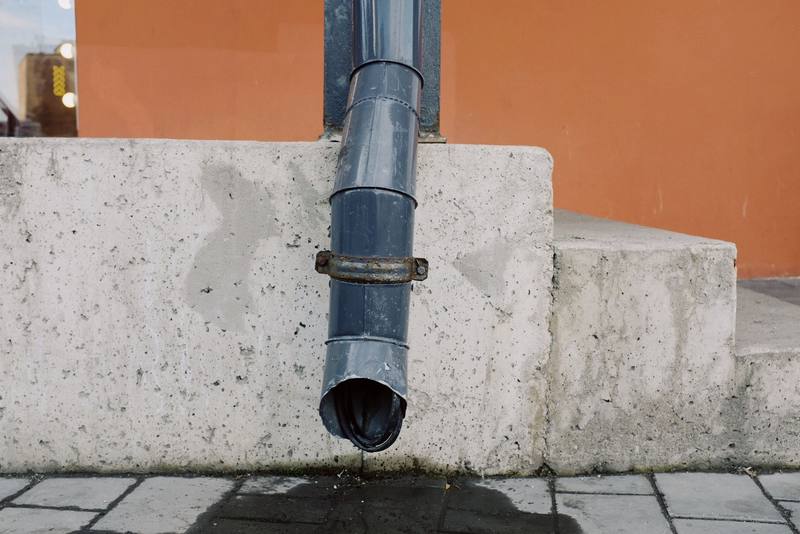
French Drain Installation
Perforated pipe in a gravel trench, wrapped in fabric, graded to carry groundwater away from the house.
Learn more
Yard Drainage
Standing water in lawns and beds solved with catch basins, surface drains and regrading.
Learn more
Drainage Repair
Clogged, crushed or silted drains located, flushed, repaired or replaced.
Learn more
Sump Pump Installation
Pits, pumps and discharge lines for basements and crawl spaces that take on water.
Learn more
Downspout Drainage
Downspouts piped underground to daylight or a dry well so roof water stops pooling at the foundation.
Learn more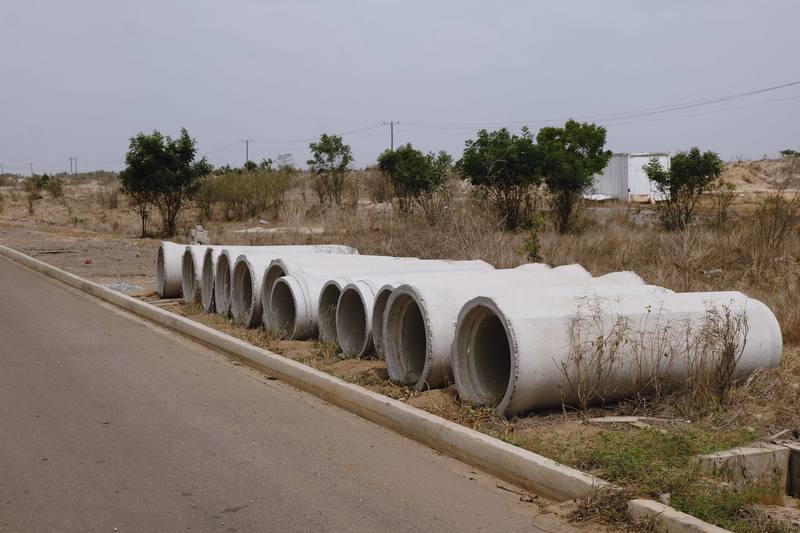
Dry Well Installation
Buried chambers that store and soak away roof and surface water where there is nowhere to drain to.
Learn more
Grading and Regrading
Soil reshaped so water runs away from the house and off the lawn instead of sitting.
Learn more
Channel Drains
Trench drains across driveways, patios and garage aprons to intercept sheet flow.
Learn more
Emergency Flooded Yard Drainage
When a storm leaves water pooling in your yard or against the house, we help get it moving and find out why it happened.
Learn more
Get started
Tell us where the water goes
Call (916) 010-0004 or send a message with a few photos of the wet area. We are open Monday to Friday 7 AM to 7 PM and Saturday 8 AM to 5 PM.