Why does water pool in my backyard after rain?
Water pools when rain arrives faster than the soil can absorb it and the ground gives it no lower place to run, and in Roseville dense clay soil is usually a big part of the reason.
A puddle that sits in the same spot after every storm is the yard telling you where the water goes. Most of the time the cause is a mix of slow-draining soil, a surface that is too flat or tilts the wrong way, and extra water landing in one place. Here is how to work out which of those applies to your yard, and what to do about it.
The short answer
Water pools when it reaches the ground faster than the ground can take it in, and there is nowhere lower for it to run. In most backyards that comes down to three things: soil that drains slowly, a surface that is flat or slopes the wrong way, and extra water being sent to one spot, usually from a downspout, a patio or a neighbor's yard.
In Roseville the soil does a lot of the work. Much of the area sits on clay, and on some lots there is a hard, compacted layer not far below the surface. Clay takes in water slowly and holds onto it. Once the top few inches are soaked, the rest of a winter storm sits on top, finds the lowest point in the yard and stays there. A long dry summer makes it worse at the start of the season, because baked clay sheds the first heavy rain almost like pavement.
What changes the answer on a real property
Two yards with the same puddle can have very different causes. A few details narrow it down quickly.
Where the water sits matters most. A puddle in the middle of the lawn usually points to a low spot or settled soil. Water along a fence line often means a side-yard swale has been blocked. Water against the house means the ground near the foundation has settled or was never sloped away properly, and that one deserves attention sooner than the others.
How long it lasts matters too. Water that is gone within a few hours after the rain stops is mostly a surface problem. Water that is still there the next day, or the day after, suggests the soil below is compacted or that a hard layer is stopping it from soaking down.
The age of the house changes the picture. Many Roseville homes are in newer subdivisions where the lots were graded by machine and the soil was compacted during construction. The original plan often sent water out through the side yards to the street. Over the years, fences, pavers, raised beds, sheds and new patios get added, and each one can block a path the water used to take. In older homes, the usual suspects are soil that has settled over decades, tree roots and buried drain pipes that have cracked or filled with silt.
Finally, check whether the spot is wet in summer as well. If it is, the cause is probably irrigation, an overspraying sprinkler or a leaking line, not rain.
What you can check yourself
You can learn most of what you need on one rainy afternoon. Put on a coat, walk the yard while it is raining, and watch where the water comes from and where it goes. Note whether it runs off the roof, the patio, the driveway or the neighbor's lot.
Look at every downspout. Many end right at the corner of the house, which dumps a whole section of roof into a few square feet of clay. If a downspout connects to a buried pipe, run a garden hose into it on a dry day and see whether the water comes out the other end. If it backs up, the pipe is clogged or broken.
Check the slope near the house. Stretch a string between two stakes, one at the foundation and one a few feet out, and use a line level. The ground should fall away from the house. If it is flat or tilts toward the wall, that is worth fixing.
Walk the side yards. Look for mulch, gravel, soil or a new fence sitting where water used to run out. Clear any yard drain grates of leaves and debris.
To get a rough sense of the soil, dig a hole about a foot deep in the problem area, fill it with water, let it drain, then fill it again and watch. If water is still standing in the hole the next morning, the soil is a big part of the problem, and surface fixes alone will not be enough.
When it needs a professional
Some pooling is a nuisance you can live with or fix with a shovel and a downspout extension. Other pooling is a sign of something that gets worse each year.
Call for help if water collects against the foundation, if you see damp or standing water in a crawlspace, or if a patio or walkway is cracking or sinking near a wet area. The same goes for soil that is washing away, a puddle that grows every winter, or an existing drain system that has stopped working.
It also makes sense to get help when the water is coming from a neighbor's property. The fix has to handle that water on your side without simply passing it on to someone else, and that takes some planning.
A drainage visit should start with a walk around the property, ideally with the homeowner pointing out where they have seen water. We look at the slope of the yard, where each downspout discharges, the soil, any existing drains, and where the water can reasonably be sent: the street, a lower part of the yard or a spot where it can soak in slowly. You should come away knowing what is causing the problem and what the options are, even if you decide to handle part of it yourself.
How the usual fixes fit the cause
The right fix depends on the cause, and a single fix rarely solves every cause at once.
If the yard is flat or slopes toward the house, Grading and Regrading reshapes the surface so water runs where you want it. This is often the first step, because a drain cannot do much if the ground keeps steering water back toward the walls.
If the soil simply holds too much water, which is common on Roseville clay, French Drain Installation gives that water a path. A perforated pipe set in a gravel trench collects water below the surface and carries it to a place where it can leave the yard. It works well in clay because the water no longer has to soak down through the clay to get out.
Downspouts are often the cheapest place to start. Moving roof water away from the house and into a pipe or a proper outlet can shrink a puddle a great deal on its own.
Timing helps too. Clay is much easier to dig and shape when it is dry, so late summer and fall, before the winter rains, is a sensible time to get drainage work done.
Related questions
Usually not, if it is out in the lawn and well away from the house. A short-lived puddle after a heavy storm is normal on clay soil. It becomes a concern when it sits against the foundation, lasts for several days, or gets bigger each winter.
Aerating can help a little by opening up the compacted top few inches. It does not change the slope of the yard or get past a hard layer deeper down, so on most Roseville clay it is a supporting step rather than a fix.
Sometimes, for a small dip in the middle of a lawn. Be careful not to raise soil against the house or block a path water already uses, or you will move the puddle somewhere worse. Use soil similar to what is already there, because a pocket of loose soil in clay can hold water like a bowl.
Yes, and clay is one of the main reasons people install them. The drain collects water in a gravel trench and pipes it away, so the water does not have to soak through the clay. It does need a place to discharge, which is worked out on the visit.
Small differences in slope, soil compaction and downspout placement make a big difference. Your lot may also sit slightly lower and receive runoff from next door. Watching where the water comes from during a rain usually explains it.
Services
How we can help in Roseville
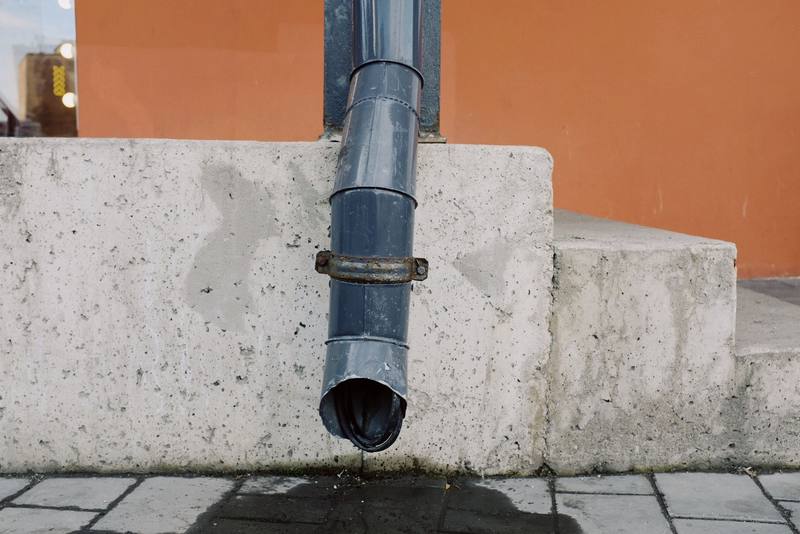
French Drain Installation
Perforated pipe in a gravel trench, wrapped in fabric, graded to carry groundwater away from the house.
Learn more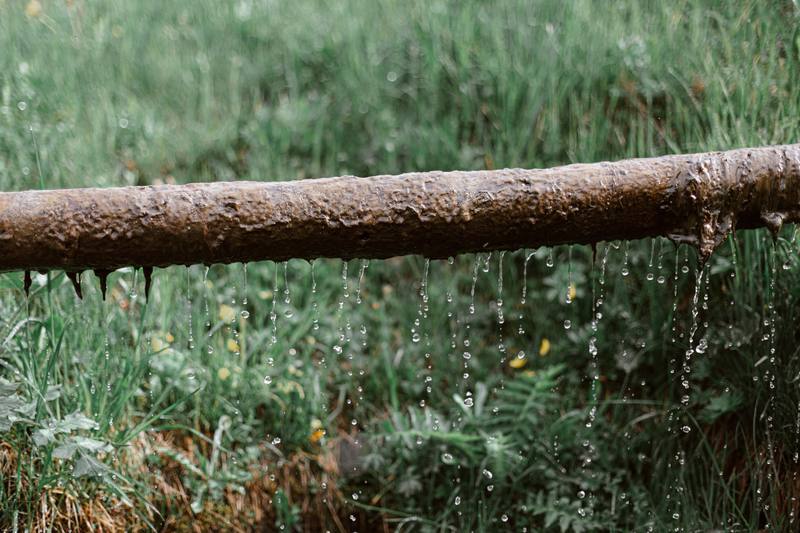
Yard Drainage
Standing water in lawns and beds solved with catch basins, surface drains and regrading.
Learn more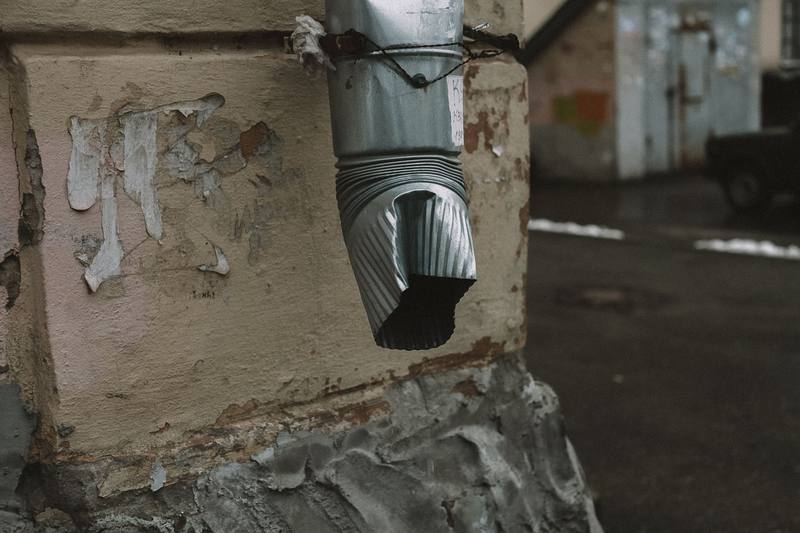
Drainage Repair
Clogged, crushed or silted drains located, flushed, repaired or replaced.
Learn more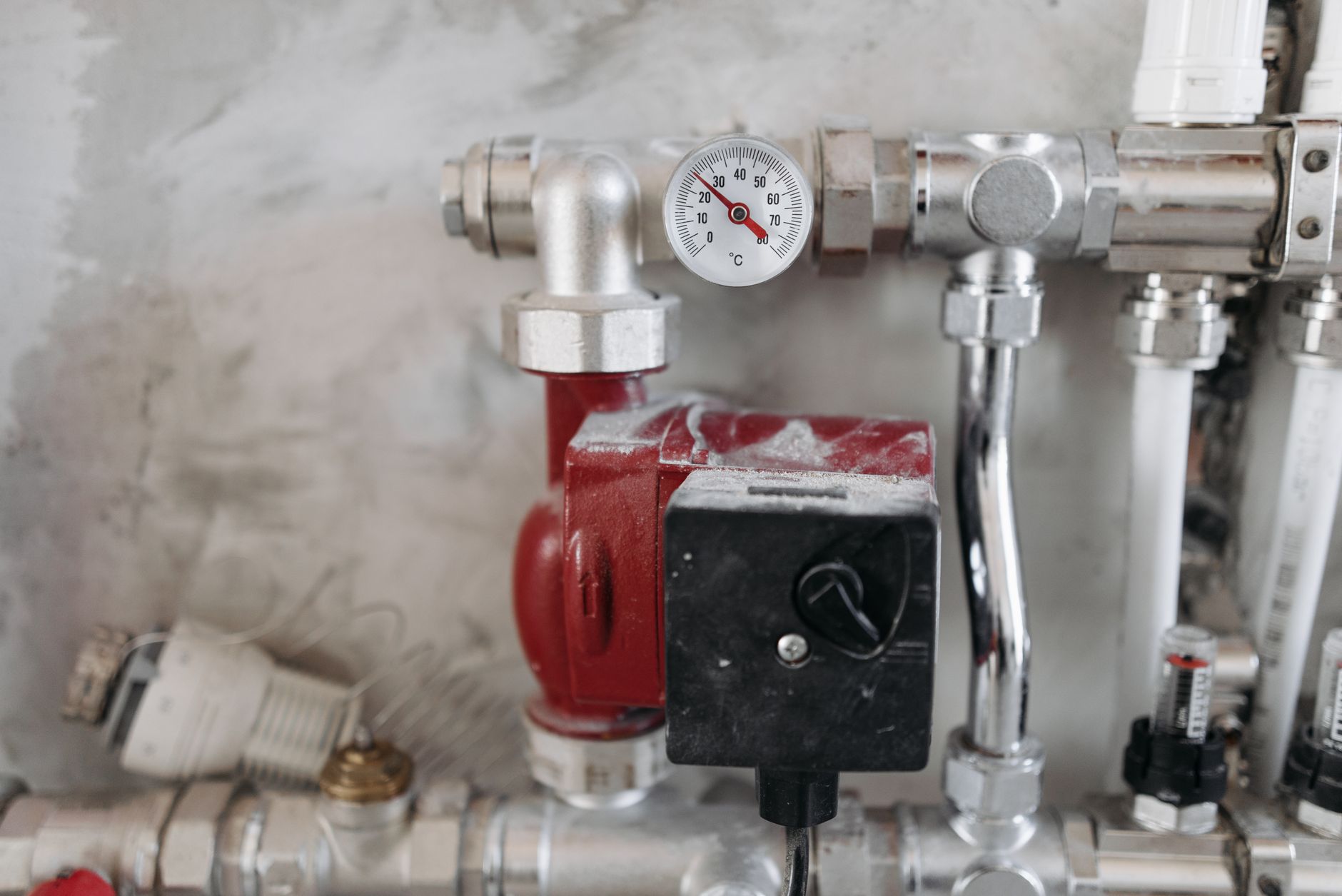
Sump Pump Installation
Pits, pumps and discharge lines for basements and crawl spaces that take on water.
Learn more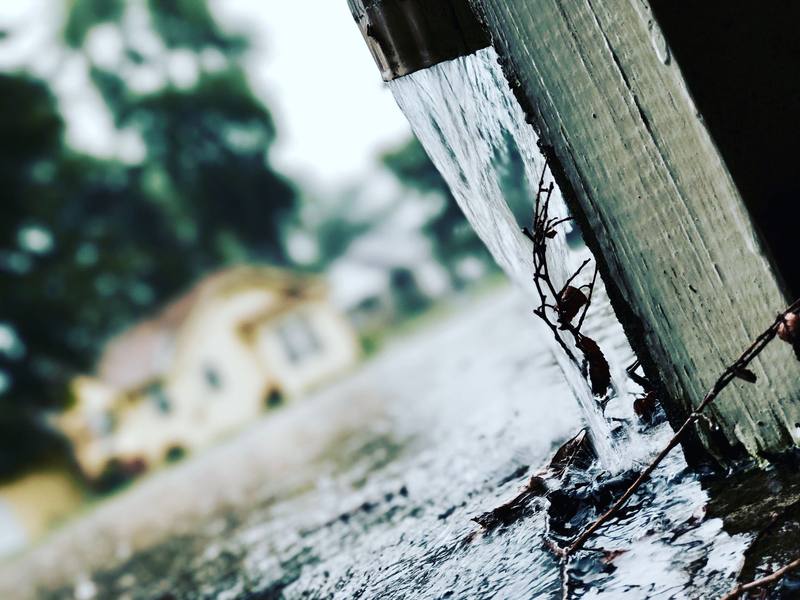
Downspout Drainage
Downspouts piped underground to daylight or a dry well so roof water stops pooling at the foundation.
Learn more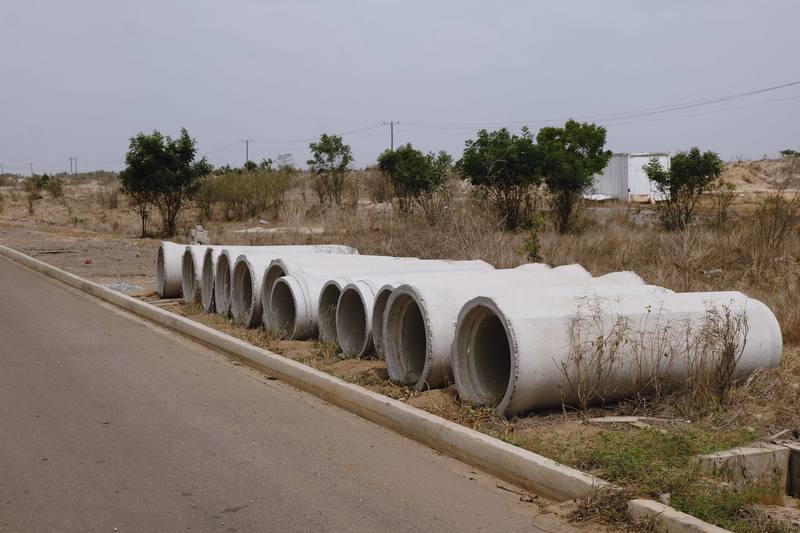
Dry Well Installation
Buried chambers that store and soak away roof and surface water where there is nowhere to drain to.
Learn more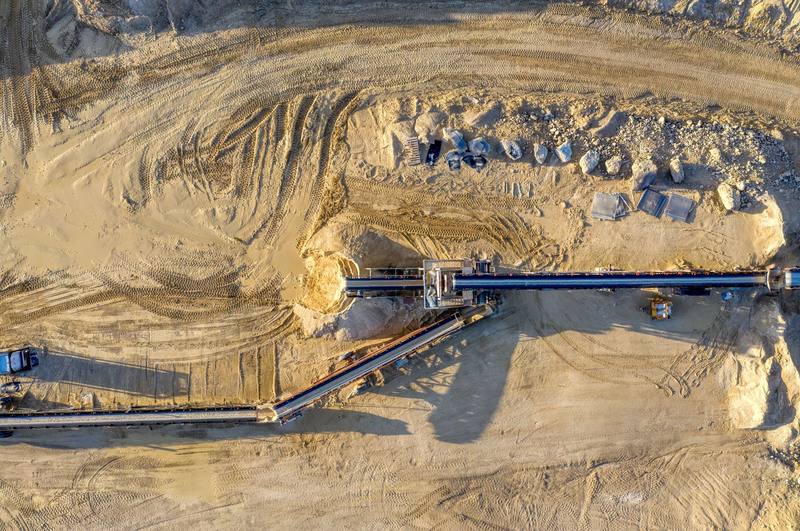
Grading and Regrading
Soil reshaped so water runs away from the house and off the lawn instead of sitting.
Learn more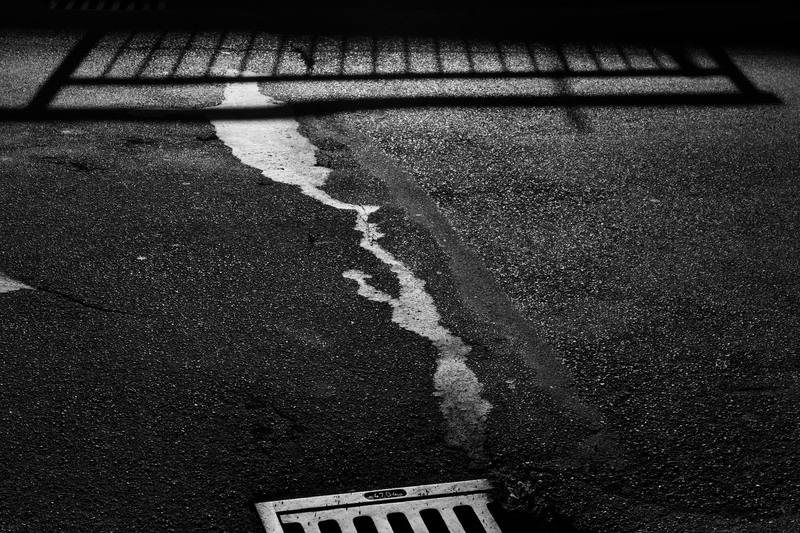
Channel Drains
Trench drains across driveways, patios and garage aprons to intercept sheet flow.
Learn more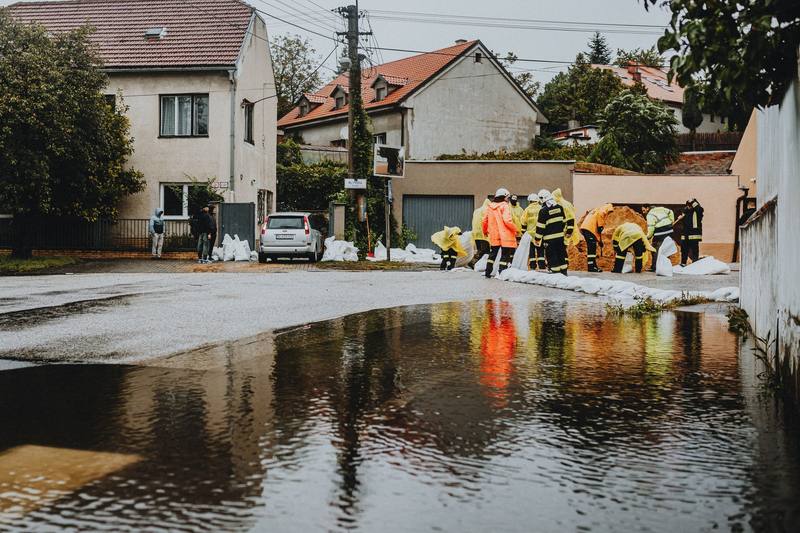
Emergency Flooded Yard Drainage
When a storm leaves water pooling in your yard or against the house, we help get it moving and find out why it happened.
Learn more
Get started
Tell us where the water goes
Call (916) 010-0004 or send a message with a few photos of the wet area. We are open Monday to Friday 7 AM to 7 PM and Saturday 8 AM to 5 PM.